Facebook
 X
X
 Pinterest
 Copy Link
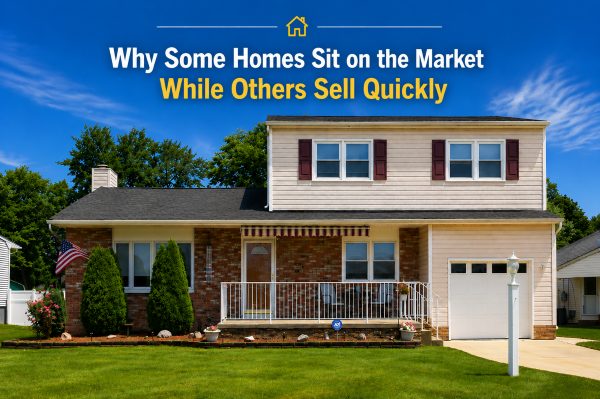
One of the biggest questions I get right now is simple.
Why do some homes sell quickly while others seem to sit?
If you look at the market from the outside, it can sometimes feel inconsistent. One home goes under contract quickly while another one down the street takes longer.
And a lot of times, those homes may look fairly similar at first glance.
But what I’m seeing across Hamilton Township, and in nearby parts of Mercer County, is that there are usually very specific reasons behind how a home performs.
It’s not random.
It usually comes down to pricing, condition, presentation, and how buyers perceive the overall value of that home.
It Usually Starts With Pricing
Pricing a home appropriately from the start can help generate stronger early activity.
One of the most common reasons a home sits is pricing.
And in today’s market, it doesn’t have to be dramatically overpriced to have an impact. Even being a little off can slow things down early.
When a home first hits the market, that initial window is when a lot of the attention happens. Buyers are actively watching new listings, and the homes that feel like a good value tend to get the strongest early response.
If the price does not line up with what buyers expect, that momentum can slow down quickly.
And once that happens, the home is no longer being viewed as something fresh. Buyers may start to wonder whether there is room to negotiate or why the home has not generated stronger activity.
But here’s what I’m seeing very clearly right now in Hamilton Township.
Homes that are priced in line with the market from the start are still generating strong activity.
In many cases, they are getting multiple showings early, and sometimes multiple offers. When that happens, competition between buyers can lead to stronger offers and terms.
That’s the difference.
When a home is priced realistically, it gives buyers a reason to respond early and can create competition.
When it’s priced based more on what a seller hopes to get than what the market supports, it can slow everything down before the home has a chance to build momentum.
Condition and Expectations Have to Match
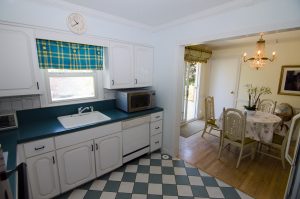
Homes can still sell quickly when condition and pricing are aligned.
Another big factor is condition.
Buyers are paying close attention to what they’re getting for the price. They’re comparing homes carefully and thinking about how much work they may need to take on after closing.
If a home is priced like it’s move-in ready, but buyers walk in and see needed updates, they notice that right away.
That doesn’t mean every home has to be fully renovated.
But it does mean the condition should line up with the expectation created by the price.
The homes that tend to sell faster usually feel consistent. Buyers walk through them and feel like the pricing makes sense for what they are seeing.
Presentation Matters More Than People Realize
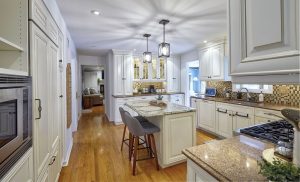
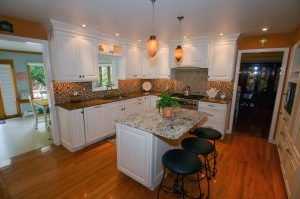
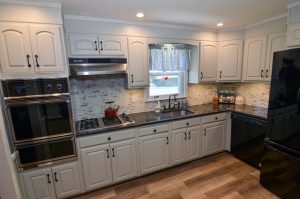
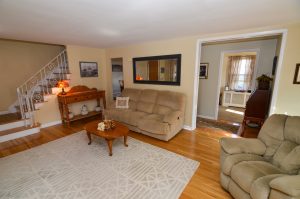
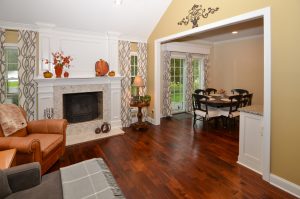
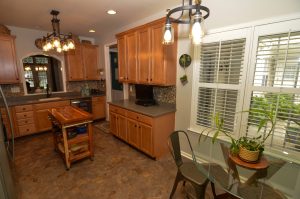
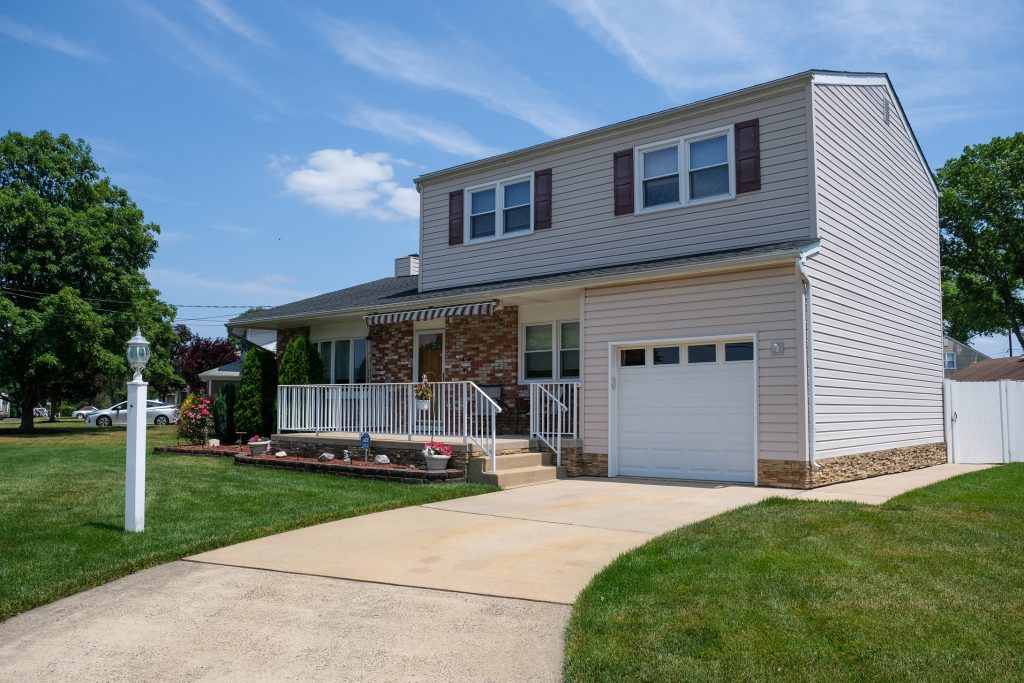
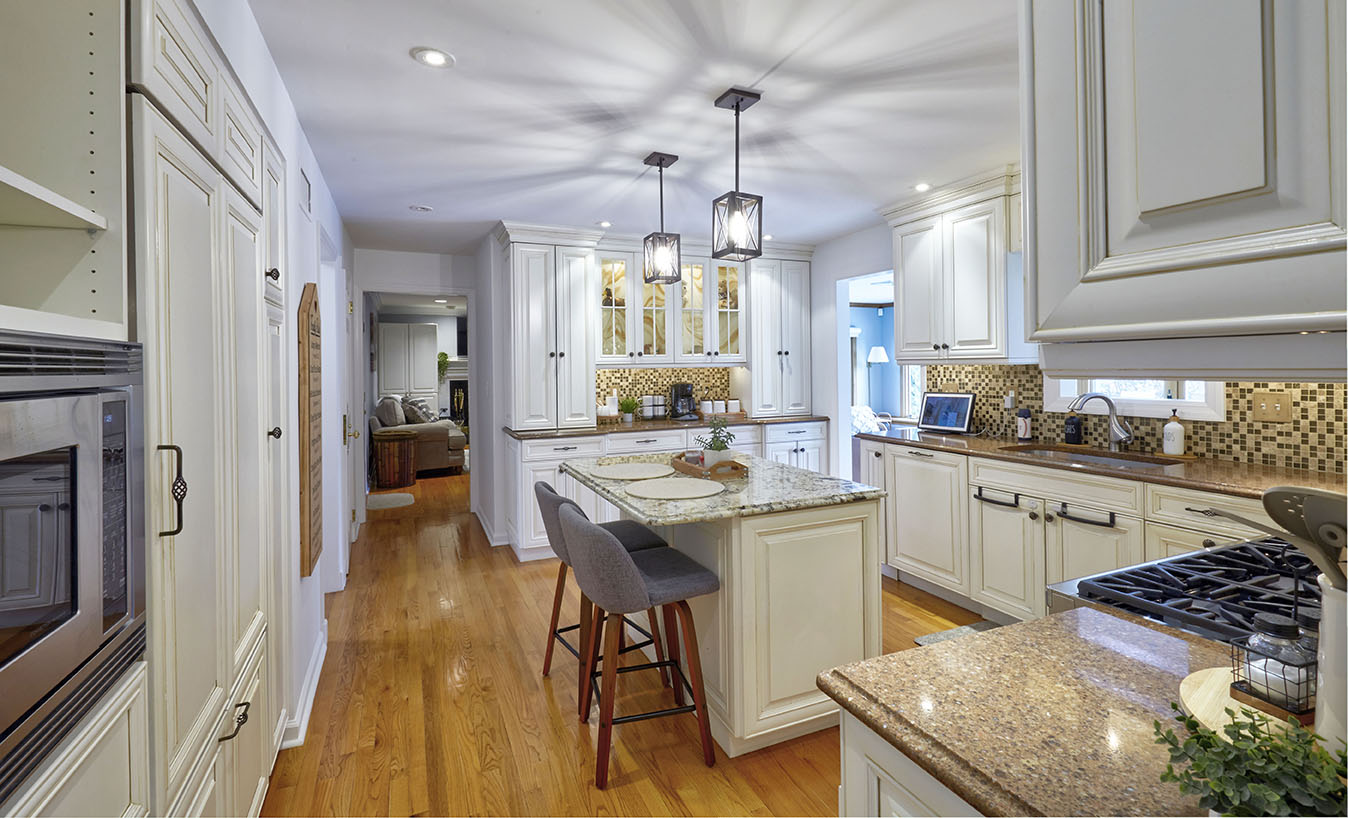
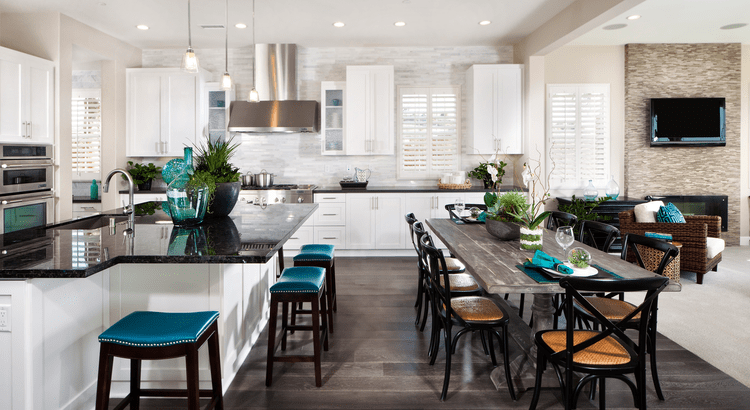
Clean, well-presented homes can stand out more clearly online and in person.
This is something that often gets overlooked.
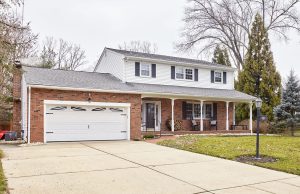
How a home is presented, both online and in person, can play a big role in how buyers respond to it.
Most buyers are seeing homes online first, so that initial impression matters.
If the photos don’t show the home well, if the lighting is off, or if the layout is difficult to understand, some buyers may move on before ever scheduling a showing.
And even when they do visit in person, things like clutter, room flow, and the overall presentation can shape how they respond to the home.
The homes that generate stronger early activity usually make sense to buyers right away.
They look clean, easy to understand, and consistent with what buyers expected from the listing.
The First Week Sets the Tone

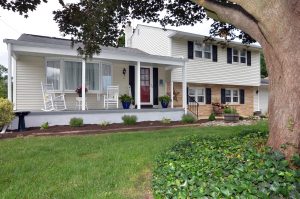
Strong early activity usually comes down to how the home is priced and positioned from day one
The first week on the market is one of the most important parts of the process.
That’s when a new listing usually gets some of its strongest initial attention. Buyers who have been waiting for something fresh are often watching closely.
If a home is priced appropriately, presented well, and aligned with buyer expectations, that first week can create strong momentum.
Showings may come in faster. Interest can build earlier. Buyers may respond with more confidence.
When that early activity is strong, it can lead to more than just showings.
It may create competition between buyers, which is where stronger offers and better terms can sometimes come together.
But if something is off, whether it’s pricing, condition, or presentation, that early momentum may not develop.
And once that initial window passes, it can take more time, and sometimes adjustments, to bring that same level of attention back.
Buyers Are Comparing Everything
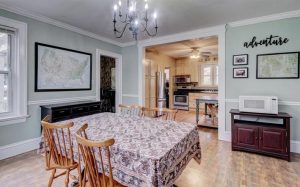
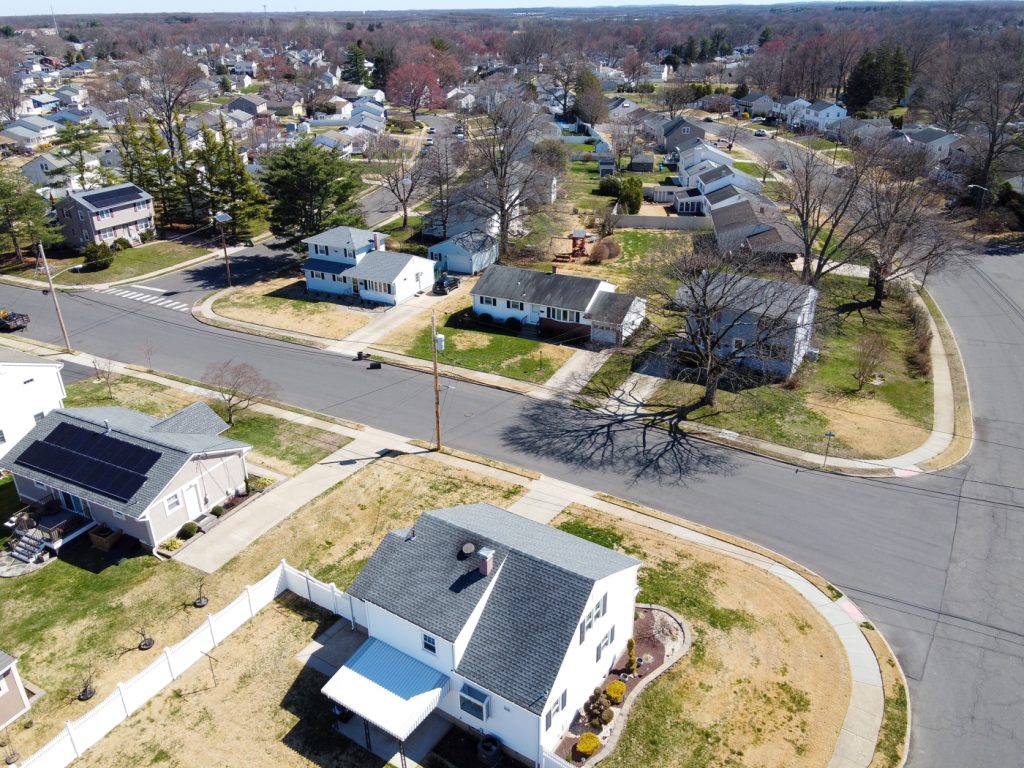
Buyers are comparing layout, flow, condition, and overall value across multiple homes.
Another reason some homes take longer is that buyers are being more thoughtful about their decisions.
They’re looking at multiple homes and comparing layouts, finishes, location within a neighborhood, condition, and overall value.
So even if a home has a lot going for it, it still needs to stand out compared to the other options buyers are seeing.
That’s why details matter.
Buyers are paying attention to how a home feels, how it flows, and whether it fits what they want without requiring more work than they are prepared to take on.
It’s Not That the Market Is Slow, It’s That It’s More Selective

Buyers are still active, but they are paying closer attention to value.
This is the important distinction.
Homes are still selling, and serious buyers are still in the market.
But buyers are more selective than they were when almost everything seemed to move quickly.
That means homes that are priced and positioned well can still generate strong interest. Others may take longer and sometimes need adjustments along the way.
That’s the difference.
It’s usually not simply about whether a home can sell. It’s about how buyers respond to the price, condition, presentation, and overall value from the beginning.
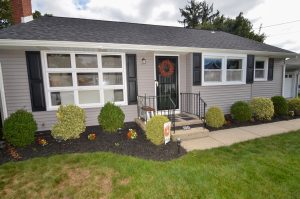
When pricing, condition, and presentation align, homes can still move quickly.
If a home is priced appropriately, presented well, and aligned with buyer expectations, it can still generate strong activity and move quickly.
If one or more of those pieces is off, even slightly, it can change how the home performs.
That’s what I’m seeing play out across Hamilton Township right now.
The market hasn’t stopped moving.
But buyers have become a little more selective, and that is helping separate the homes that move quickly from the ones that take longer.
In many cases, homes that are positioned well from the start are not only giving themselves a better chance to sell sooner, but also putting themselves in a stronger position to attract competitive offers.
What This Means For You
If you’re starting to think about your next move, whether buying or selling, having a good understanding of what to expect in the current real estate market can help you be better prepared and put yourself in a stronger position.
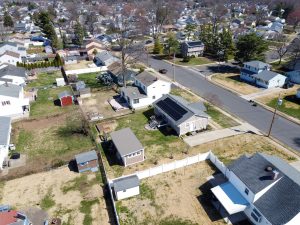
I’ve been working in this market for over 13 years, with close to 500 transactions across Hamilton Township, Bordentown, Florence Township, Roebling, and surrounding areas. And one thing I’ve learned is that every town, and even different sections within a town, can feel very different depending on the home and the buyer.
My approach is simple and relationship-driven. I focus on helping you make the right decision for your situation, not just the next transaction.
If you want to talk through your situation, explore homes for sale in New Jersey, and get a better feel for what makes the most sense, I’m always here to help.
Curious what your current home might be worth in today’s market?
⬇️ Click below for a local home value estimate.













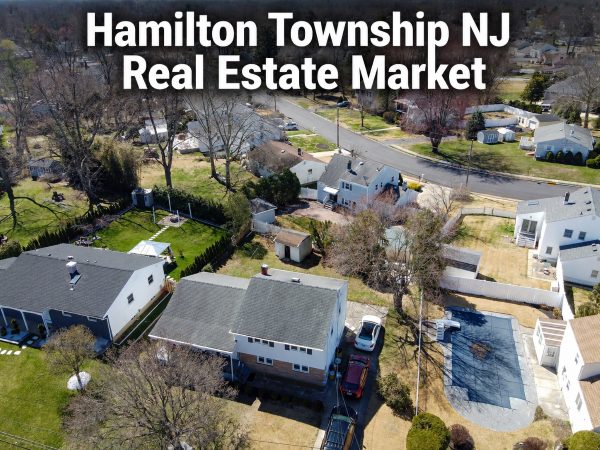











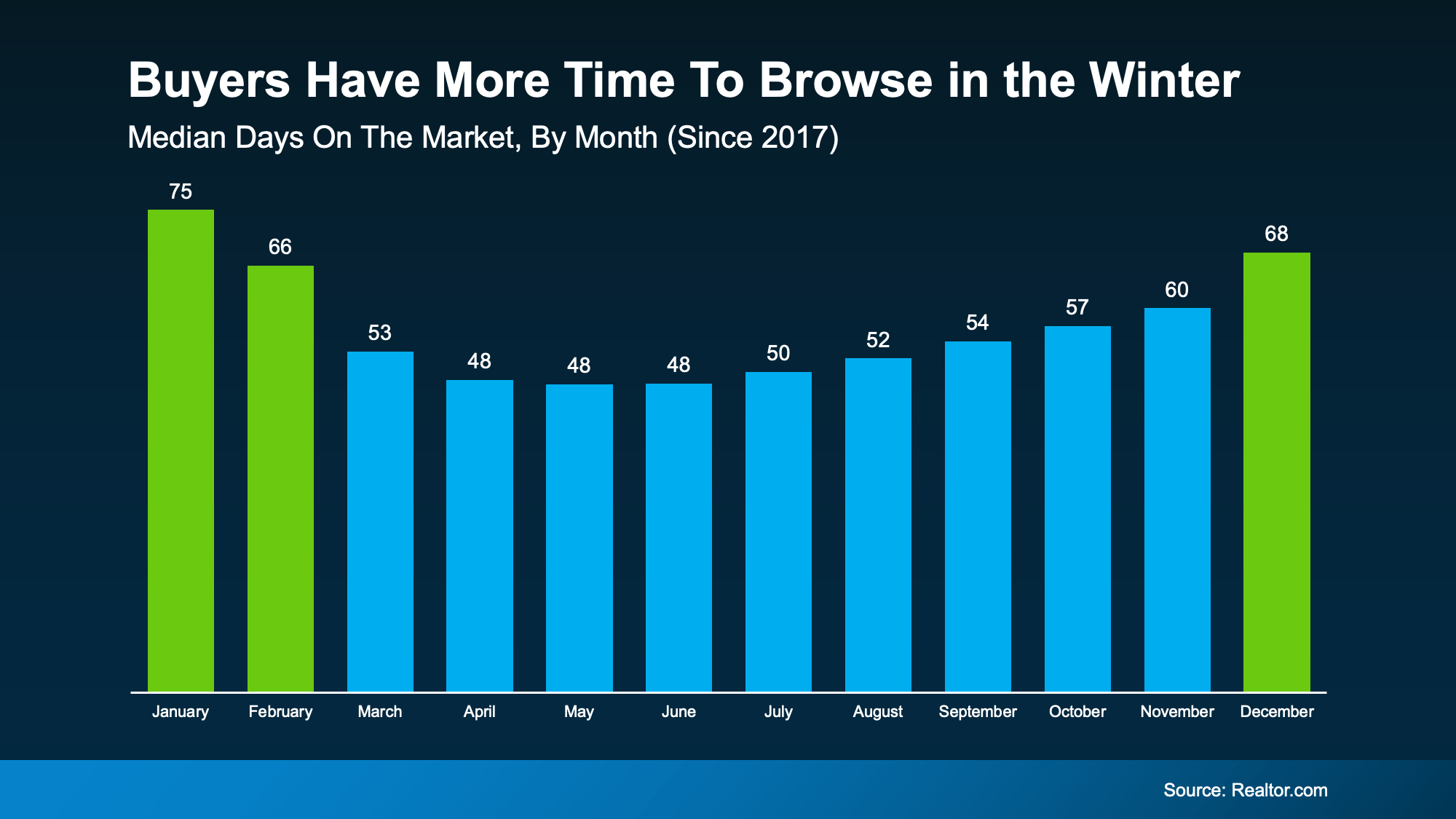 Homes sell faster in the spring, and slower in the winter. And that can be a worthwhile perk for buyers who want to get ahead before their decisions start to feel rushed.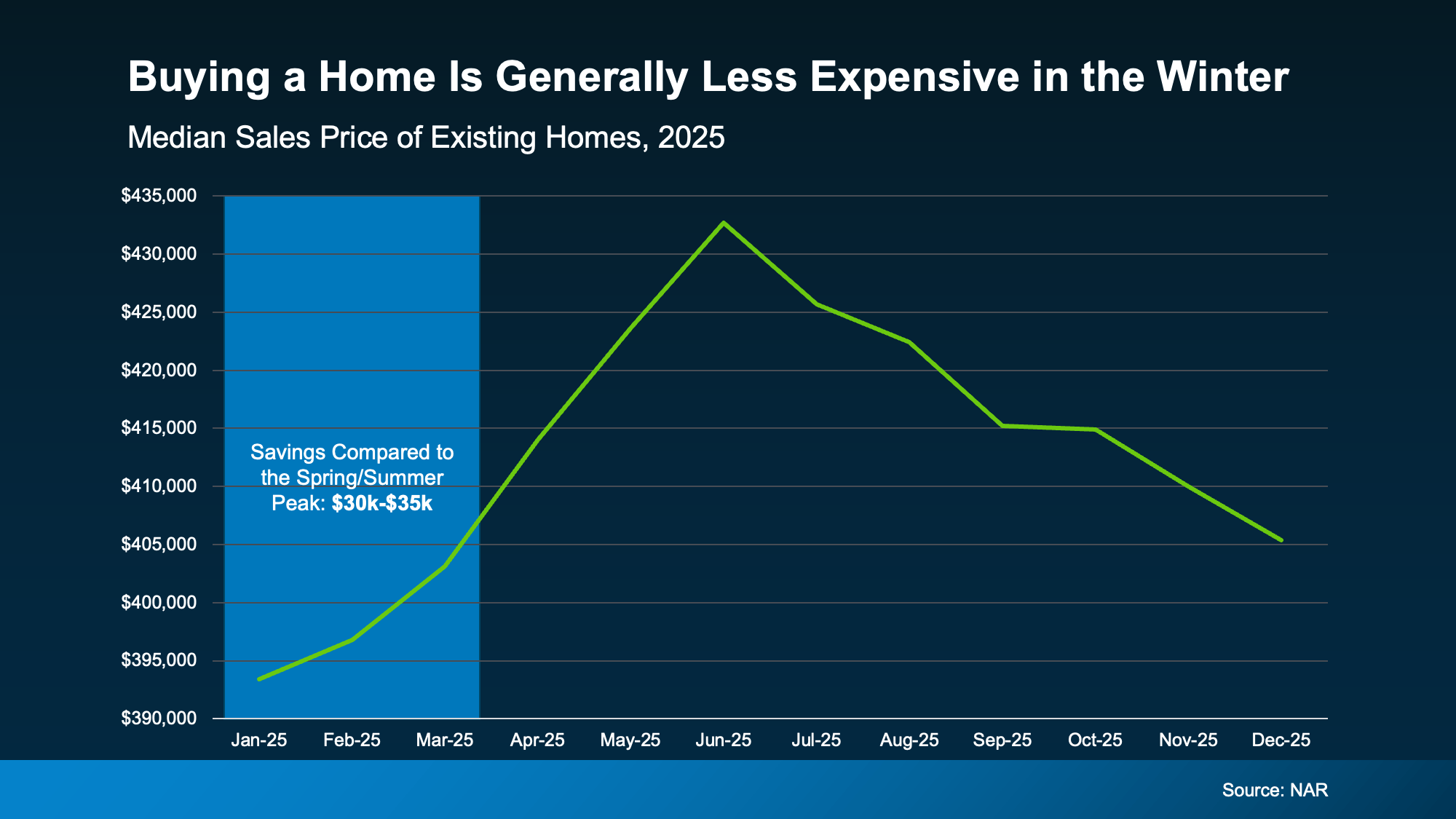

 Optimize Home Presentation