Facebook
 X
X
 Pinterest
 Copy Link
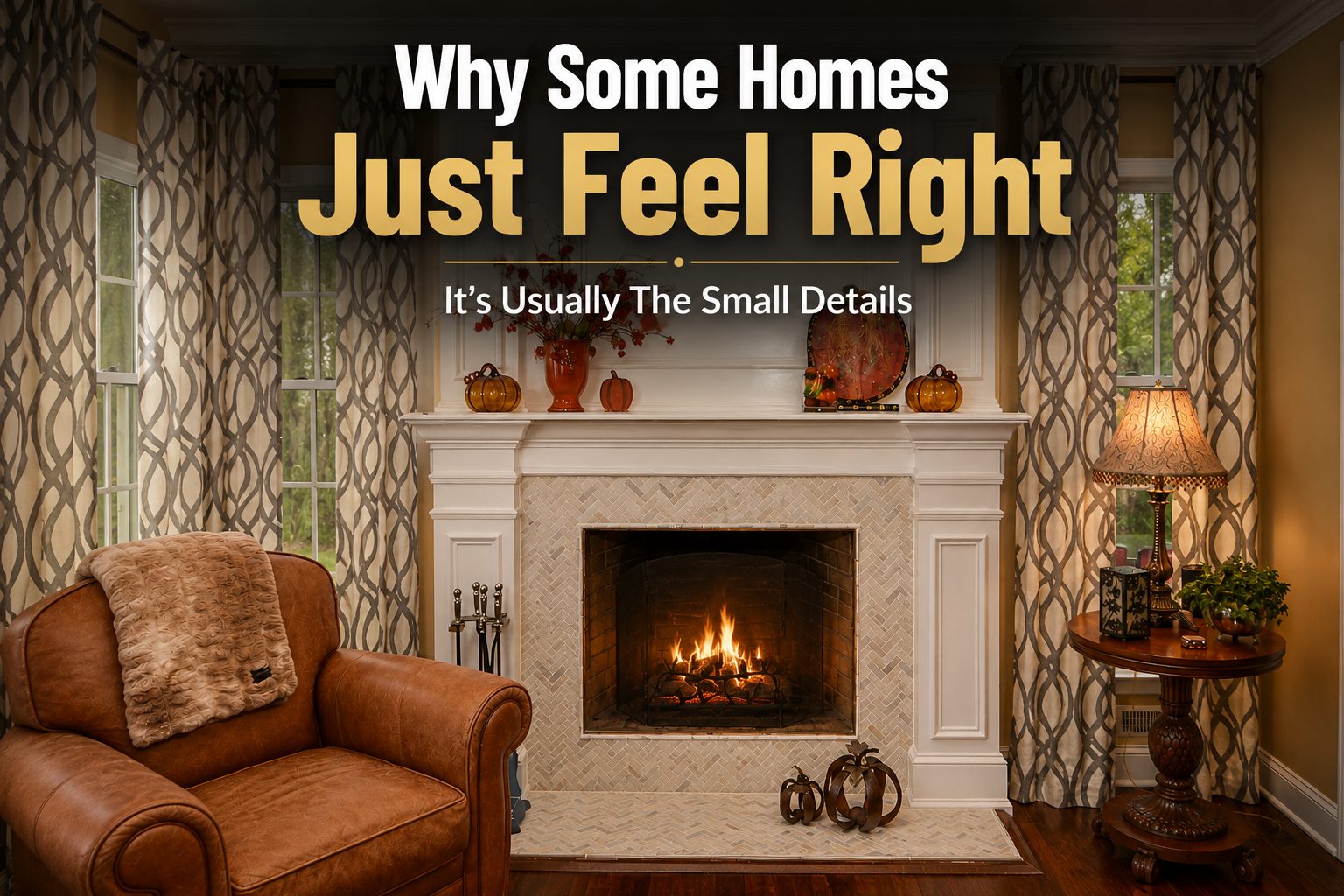
When someone walks into a home, there’s usually a moment where something just feels right.
It’s not always something they can immediately explain. It’s not always the biggest feature or the most updated space.
It’s usually a combination of small details coming together in a way that just works.
Over time, you start to notice those moments. The ones where buyers slow down a little, look around a little longer, and start picturing themselves there without even realizing it.
Sometimes they’ll pause in a room. Sometimes they’ll go quiet for a second. Sometimes they’ll say something simple like, “this feels nice.”
And most of the time, it’s not one thing.
It’s how everything fits together.
First impressions set the tone

First impressions often start before buyers even step inside
Buyers start reacting before they even step inside. The walkway, the front door, the way the home sits, it all sets the tone.
If the outside feels clean, cared for, and easy to approach, buyers walk in already feeling comfortable.
If it feels tight, cluttered, or overlooked, that feeling tends to follow them inside, whether they realize it or not.
It doesn’t have to be perfect.
But when the exterior feels welcoming and well maintained, it creates a smoother transition into the home, and that first impression usually sticks.
Light changes everything
Natural light and outdoor views are often what buyers remember most
Natural light has a way of making a space feel open and easy. It’s one of the first things buyers notice without even thinking about it.
Rooms with good light tend to feel larger, cleaner, and more inviting.
And it’s not just about brightness, it’s about where the light comes from and how it moves through the space.
A room with multiple windows, a view into the backyard, or even just the right exposure during the day can completely change how a home feels.
On the flip side, darker spaces can feel smaller or more closed off, even if the layout is the same.
That’s why light isn’t just a feature. It’s something that shapes the entire experience of the home.
Spaces that feel easy to live in
Spaces that flow naturally make it easier for buyers to picture everyday living
It’s not always about size.
It’s about how a space flows and how it feels to move through it.
Buyers pay attention to how rooms connect, even if they don’t say it out loud.
Can you move from the kitchen to the living room without it feeling awkward?
Does the layout make sense for everyday routines?
Does it feel open without feeling too spread out?
Homes that feel easy to live in don’t require buyers to “figure them out.”
They just make sense.
And when a layout works naturally, buyers start picturing their day-to-day life there almost immediately.
The details people don’t expect to notice
Details like trim work, mantel design, and finishes often shape how a home feels without buyers realizing it
Sometimes it’s the small details, finishes, design touches, and little upgrades, that stick with people.
Things like tile work, trim, lighting fixtures, or even how materials come together can leave a lasting impression.
Most buyers won’t walk in and say, “I love the craftsmanship on this mantel.”
But they’ll feel it.
Those details create a sense of quality and care, even if they can’t fully explain why the home feels different from others they’ve seen.
And when those small touches are consistent throughout the home, it adds up quickly.
Outdoor spaces that just work
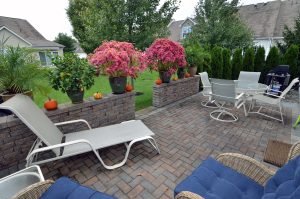
Simple outdoor spaces that are easy to use often stand out the most to buyers
Not every outdoor space needs to be perfect.
Sometimes it just needs to feel usable and comfortable.
A simple patio, a place to sit, or a space that feels private and easy to maintain can go a long way.
Buyers often respond more to how a space feels than how elaborate it is.
If they can picture themselves having coffee outside, hosting a small get-together, or just relaxing at the end of the day, that’s what matters.
Outdoor spaces don’t have to be overdone.
They just have to feel like they fit into everyday life.
When it all comes together
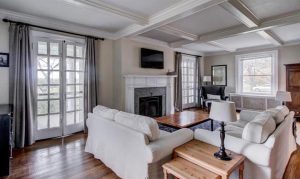
When the layout, light, and details all come together, a home just feels right
When those small details start to line up, something changes.
Buyers don’t just see the home, they feel it.
The light makes sense.
The layout flows.
The finishes feel consistent.
Nothing feels forced or out of place.
That’s usually when they slow down.
That’s when they start opening closets, looking out windows a little longer, or asking different kinds of questions.
Because at that point, they’re not just touring the home anymore.
They’re imagining what it would feel like to live there.
A lot of times, sellers focus on the big things.
Square footage. Bedrooms. Major updates.
And those things matter.
But what often makes the difference is how a home feels when everything comes together.
The light. The layout. The details. The flow.
Those are the things buyers remember.
And those are the things that help a home stand out—especially when buyers are seeing multiple homes in a short period of time.
What This Means For You
If you’re starting to think about your next move, whether buying or selling, having a good understanding of what to expect in the current real estate market can help you be better prepared and put yourself in a stronger position.
I’ve been working in this market for over 13 years, with close to 500 transactions across Hamilton Township, Bordentown, Florence Township, Roebling, and surrounding areas. And one thing I’ve learned is that every town, and even different sections within a town, can feel very different depending on the home and the buyer.
My approach is simple and relationship-driven. I focus on helping you make the right decision for your situation, not just the next transaction. If you want to talk through your situation, explore homes for sale in New Jersey, and get a better feel for what makes the most sense, I’m always here to help.
Explore More Local Real Estate Options
Whether you’re thinking about buying, selling, or simply keeping an eye on the market, you can explore homes for sale and home values throughout Hamilton Township, Bordentown, Florence, Roebling, and surrounding areas below.
⬇️ Click any image below to explore homes for sale in that area.