Community • August 11, 2026

How Hamilton Township’s Neighborhoods Each Offer Something Different

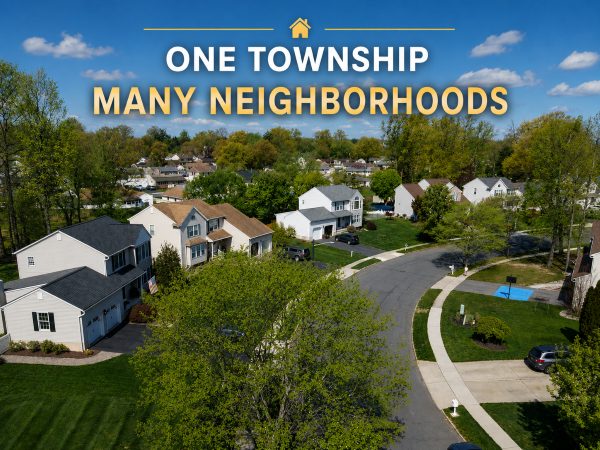
Ask five longtime Hamilton Township residents where they’re from, and you may get five different answers.

Some will simply say Hamilton.

Others may immediately answer Hamilton Square, White City, Mercerville, Groveville, Whitehorse, or another neighborhood they’ve called home for years.

They’re all correct.

While Hamilton Township shares one name, it has grown over many decades into a collection of neighborhoods, each shaped by its own streets, homes, parks, and everyday places that become familiar over time. That’s part of what makes Hamilton Township unique.

Drive just a few minutes in almost any direction, and those differences become easy to see. Some neighborhoods feature mature tree-lined streets and homes that have been part of the community for generations. Others reflect newer development, different housing styles, or neighborhood parks that quietly become gathering places for nearby residents. None of those differences make one area better than another. They simply reflect how the township has grown and evolved over time.

For many longtime residents, those neighborhood identities become part of how they describe home. It’s also not uncommon for someone to move from one Hamilton neighborhood to another as their needs change while choosing to remain in the same township.

For buyers exploring Hamilton Township for the first time, those same differences often help explain why one neighborhood simply feels like the right fit.


Hamilton Is A Collection Of Communities
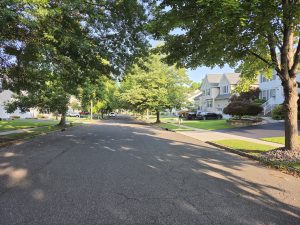
Tree-lined residential street with mature homes and sidewalks in an established Hamilton Township NJ neighborhood.

Established neighborhoods throughout Hamilton Township each have their own personality, shaped by mature trees, sidewalks, and homes that have become part of the community over generations.

When people think of Hamilton Township, it’s easy to picture it as one community. Spend a little time here, however, and you quickly realize it’s made up of many neighborhoods, each with its own identity.

Some neighborhoods developed earlier and feature mature trees, sidewalks, and homes that have been part of the community for generations. Others grew as Hamilton expanded over the years, bringing different housing styles, street layouts, and neighborhood amenities.

Many of these neighborhoods have names that longtime residents recognize immediately. Some, like Hamilton Square, Mercerville, or Yardville, are well known throughout the area. Others, including Broad Street Park, Sunnybrae, Golden Crest, and Whitehorse, may be more familiar to the people who live there than to visitors simply passing through.

While each neighborhood has its own personality, they’re all connected by the same sense of community that has helped shape Hamilton into Mercer County’s most populous municipality. Together, they create a place where no two areas feel exactly alike, giving residents and home buyers a wide variety of places to call home.

For a closer look at a few of those communities, I’ve written separately about why Hamilton Square continues to feel like the historic heart of Hamilton Township and why Yardville still feels like its own community within Hamilton Township.


The Homes Help Tell The Story
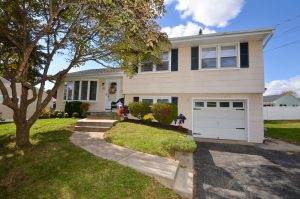
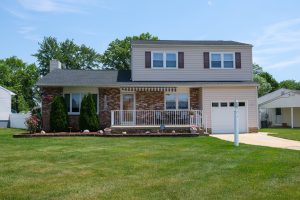
Split-level home in the Yardville Heights neighborhood of Hamilton Township NJ.

Split-level homes became a popular choice as Hamilton Township continued to grow and many neighborhoods expanded during the second half of the twentieth century.
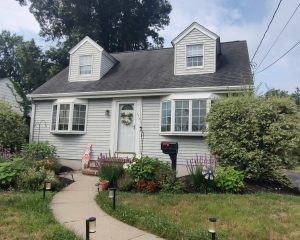
Cape Cod style home in the Mercerville neighborhood of Hamilton Township NJ.

Cape Cod homes remain one of the recognizable architectural styles found throughout many of Hamilton Township’s established neighborhoods.

One of the easiest ways to see how the community has grown is simply by looking at its homes.

Unlike communities that developed during a single period, Hamilton Township expanded over many decades. As new neighborhoods were built, different architectural styles emerged, reflecting the needs and preferences of the people who called them home. Today, it’s common to find established Cape Cods, split-levels, ranches, Colonials, townhomes, and condominiums throughout different parts of the township.

For many residents, those homes also reflect different stages of life. A first home in one neighborhood may eventually lead to a larger home as a family grows, while allowing them to remain in the same community they’ve always known.
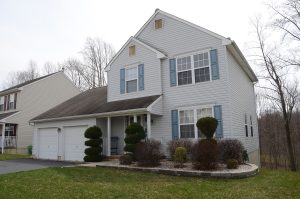
Colonial home in the Highlands neighborhood of Hamilton Township NJ.

As Hamilton Township continued to develop, neighborhoods like Highlands introduced larger homes with layouts that reflected changing lifestyles and growing families.

As Hamilton continued to evolve, newer neighborhoods introduced larger homes with layouts designed for changing lifestyles. Growing families often found additional space while remaining close to the schools, parks, businesses, and neighborhoods they already knew.
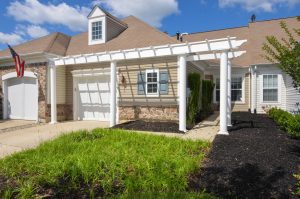
Home in the Traditions age-restricted community in Hamilton Township NJ.

Age-restricted communities provide another housing option for residents who choose to remain in Hamilton Township while looking for a home that better fits their next stage of life.

For many homeowners, that journey doesn’t end there. The township also offers age-restricted communities that allow residents to downsize or simplify homeownership without leaving the community they’ve called home for years.

One of its strengths is the variety of housing options available. Whether someone is buying a first home, looking for more space, or planning for retirement, residents can remain connected to the community through every stage of life.


The Small Parks That Become Part Of Everyday Life
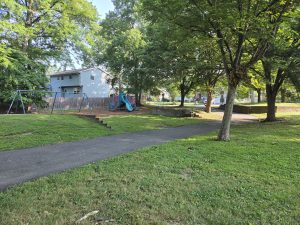
Walking path, playground, swings, benches, and mature trees at Periwinkle Park in Hamilton Township NJ.

Periwinkle Park is one of Hamilton Township’s neighborhood pocket parks, providing nearby residents with a quiet place to walk, relax, and enjoy the outdoors close to home.

Some of the community’s most appreciated green spaces aren’t the largest ones. They’re the neighborhood parks and pocket parks that quietly become part of daily life.

They may not be destinations that draw visitors from across the township, but for the people who live nearby, they’re often the places where children spend an afternoon on the playground, neighbors stop to chat during an evening walk, someone enjoys a quiet stroll with the dog, or parents push a stroller through the neighborhood. Over time, those everyday moments become part of what makes a neighborhood feel like home.
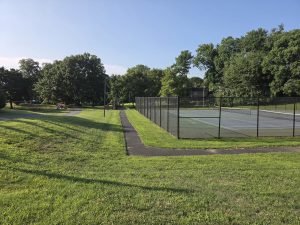
Tennis courts, playgrounds, walking paths, and open green space at Sharps Park in Hamilton Township NJ.

Sharps Park offers neighborhood recreation with tennis courts, playgrounds, walking paths, and open green space, giving nearby residents convenient places to stay active close to home.

Some neighborhood parks offer a little more space, with playgrounds, basketball or tennis courts, open fields, and places for families to gather. While every park is different, they all serve the same purpose by giving residents convenient places to enjoy the outdoors without traveling far from home.

These neighborhood parks may not always receive the same attention as Hamilton Township’s larger recreational destinations, but they’re often the places residents visit most. They’re woven into the routines of daily life and help give each neighborhood its own sense of community.


The Familiar Places That Make Hamilton Feel Like Home

Historic tree standing in the center median of Quakerbridge Road in Hamilton Township NJ during a summer morning.

The tree standing in the middle of Quakerbridge Road has become one of Hamilton Township’s most recognizable everyday landmarks for generations of residents.
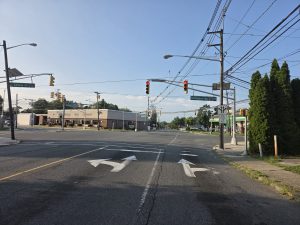
The Five Points intersection in Hamilton Township NJ with Mercerville Fire Company and surrounding businesses.

For many Hamilton residents, “Five Points” isn’t just an intersection. It’s one of those familiar places that has become part of everyday directions and daily routines.

The personality of a neighborhood isn’t usually defined by a single landmark. More often, it’s shaped by the familiar places residents pass every day without giving them much thought.

Over time, those everyday details become part of how people experience Hamilton Township. It might be a drive past the tree standing in the middle of Quakerbridge Road, heading through Five Points on the way home, or crossing the train tracks that run through Yardville Hamilton Square Road. For longtime residents, those places don’t need an explanation. They’re simply part of daily life.

Just as important are the quieter details found throughout many neighborhoods. Mature tree-lined streets provide shade during the summer, neighborhood ponds create places to pause, Assunpink Creek winds through parts of the township, and sidewalks connect neighbors for an evening walk or morning stroll. Even older churches, small bridges, and familiar neighborhood gathering places become part of a community’s identity over time.

None of these places define Hamilton Township by themselves. Together, however, they create the small moments of familiarity that give each neighborhood its own personality. They’re the details that longtime residents often stop noticing until someone new asks about them, and they’re part of what makes living in Hamilton feel familiar long before it feels routine.


Looking Beyond The House

By the time someone begins looking at homes here, they’ve often narrowed their search by price range, number of bedrooms, bathrooms, or square footage. Those are all important considerations, but they’re only part of the picture.

Over the years as a REALTOR®, I’ve learned that two homes with similar features can offer very different experiences simply because of their surroundings. One home may be located on a quiet residential street, while another may be closer to major roadways, parks, shopping, or other everyday conveniences. Neither is necessarily better than the other, but they may appeal to buyers for different reasons.
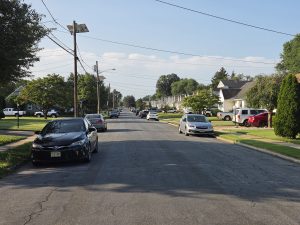
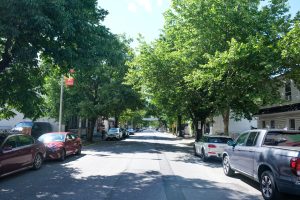
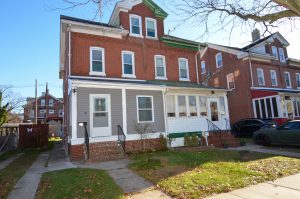
Quiet residential street in Hamilton Township NJ showing sidewalks, front lawns, and a variety of single-family homes.

Beyond the house itself, the surrounding streetscape, neighboring homes, and everyday setting all contribute to how a neighborhood feels.

That’s why I encourage buyers to look beyond the house itself. Walking the neighborhood, driving the surrounding streets, and visiting the area at different times of day can provide a better understanding of the property’s setting and help them decide whether it fits what they’re looking for.

Choosing a home is an important decision, and understanding its surroundings is part of making an informed one.


What This Means For You

If you’re starting to think about your next move, whether buying or selling, having a good understanding of what to expect in the current real estate market can help you be better prepared and put yourself in a stronger position.

I’ve been working in this market for over 13 years, with close to 500 transactions across Hamilton Township, Bordentown, Florence Township, Roebling, and surrounding areas. And one thing I’ve learned is that every town, and even different sections within a town, can feel very different depending on the home and the buyer.

My approach is simple and relationship-driven. I focus on helping you make the right decision for your situation, not just the next transaction.

If you want to talk through your situation, explore homes for sale in New Jersey, and get a better feel for what makes the most sense, I’m always here to help.


Explore More Local Real Estate Options

Whether you’re thinking about buying, selling, or simply keeping an eye on the market, you can explore homes for sale and home values throughout Hamilton Township, Bordentown, Florence, Roebling, and surrounding areas below.

⬇️ Click any image below to explore homes for sale in that area.

Clickable image linking to homes for sale in Hamilton Township NJ featuring an aerial view of a residential neighborhood with single-family homes and tree-lined streets Clickable image linking to homes for sale in Bordentown NJ featuring a drone view of a residential neighborhood with suburban homes and mature trees Clickable image linking to homes for sale in Roebling NJ featuring an aerial view of historic row homes, neighborhood streets, and the Delaware River Clickable image linking to homes for sale in Florence Township NJ featuring a drone view of a suburban residential neighborhood with single-family homes and backyard spaces

Selling • August 5, 2026

Sometimes The Best Advice I Give Is Not To Sell

Most people assume that when someone contacts a REALTOR®, the conversation will naturally lead to putting their home on the market.

Sometimes it does.

But over the years, I have also had many conversations where the best advice I could give was not about selling at all.

It may have been about renovating the home, creating additional living space, adjusting a financial plan, or simply waiting until the timing made more sense.

Those conversations are an important part of what I do.

Selling a home is a major decision. Before discussing pricing, photography, marketing, or when the property should be listed, I want to understand why the homeowner is considering a move in the first place.

The reason behind the move often tells us much more than the move itself.

Sometimes selling is clearly the right decision.

Other times, once we look more closely at what the homeowner is trying to accomplish, we discover that there may be another solution.


Every Conversation Starts With One Question

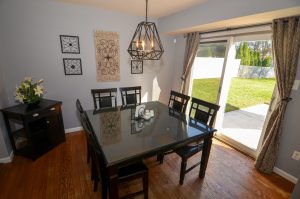
Dining room table in a New Jersey home representing an initial conversation about whether selling is the right decision

The first conversation should focus on what the homeowner hopes to accomplish, not simply when the property can be listed.

I do not begin these conversations by asking when someone wants to put the house on the market.

I begin by asking why they are thinking about selling.

That may sound like a simple question, but the answer affects almost everything that comes afterward.

Are they running out of space?

Has the home become more difficult to maintain?

Do they want to be closer to family?

Are they facing a change in employment, finances, health, or lifestyle?

Do they simply feel ready for something different?

Two homeowners may both say they are considering selling, but their reasons may have very little in common. One may need a home with another bedroom. Another may want fewer stairs. Someone else may be comfortable in the home but worried that they are missing the right time to sell.

Until I understand the underlying reason, it is too early to recommend a course of action.

That is also why an initial conversation does not need to feel like a formal listing appointment. It can simply be an opportunity to talk through the situation, look at the available options, and begin determining what makes the most sense.

The objective is not to move immediately toward a transaction.

The objective is to understand the problem the homeowner is trying to solve.


Sometimes The Solution Is Improving The Home You Already Love

Updated primary bathroom in a Robbinsville NJ home showing how renovations can improve functionality without requiring a move.

A renovation or addition may sometimes provide what a homeowner needs without requiring the purchase of another home.

Sometimes homeowners are not unhappy with where they live.

They may love the neighborhood, know their neighbors, enjoy the yard, and feel connected to the community. The problem may be that the home no longer functions as well as it once did.

Perhaps the family needs another bathroom.

Maybe an unfinished basement could become a family room, home office, gym, or guest space.

A first-floor addition may provide the bedroom or living area that is missing.

An older kitchen may need a better layout rather than an entirely different house.

In situations like these, it is worth comparing the cost and disruption of improving the current home with the cost and disruption of moving.

That does not mean every renovation is financially practical. Some homes have limitations that cannot reasonably be overcome. Zoning requirements, lot size, construction costs, or the existing layout can make certain projects difficult.

But those questions should be explored before assuming that selling is the only answer.

I have spoken with homeowners who initially believed they needed to move because the house was missing one important feature. Once they considered the alternatives, they realized that modifying the home could allow them to remain in a place they already enjoyed.

The right answer depends on the house, the project, the budget, and the homeowner’s long-term plans.

My role in that conversation is not to tell someone they should renovate instead of moving. It is to help them recognize that renovating may be one of the options worth considering.


The Numbers Do Not Always Support Moving

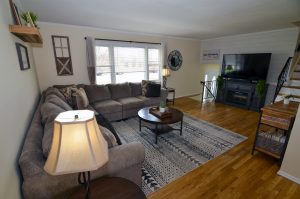
Comfortable living room in a Hamilton NJ home representing the financial decision of whether moving makes sense.

The value of moving should be measured against the complete financial picture, not only the expected sale price.

A homeowner may have substantial equity and still discover that moving does not improve their overall situation.

The expected sale price is only one part of the calculation.

There are also selling expenses, moving costs, repairs, inspections, legal expenses, and the cost of preparing the next home. Depending on where someone is moving, there may also be a significant difference in property taxes, homeowners insurance, association fees, utilities, or maintenance.

Financing can have an even greater effect.

Someone who purchased or refinanced when interest rates were lower may currently have a mortgage payment that would be difficult to reproduce. Even if the next home costs about the same amount, a different interest rate can substantially change the monthly payment.

That does not automatically mean someone should stay.

A move may still be necessary or worthwhile because of family needs, employment, accessibility, location, or quality of life. Financial considerations are important, but they are not the only considerations.

However, the numbers should be understood before the decision is made.

Occasionally, homeowners begin the conversation believing that selling will relieve financial pressure, only to discover that purchasing or renting another home could create a larger monthly obligation.

Others may be able to sell, reduce expenses, and improve their position considerably.

The only way to know is to look at the complete picture.

That includes a realistic estimate of the home’s value, the likely net proceeds from a sale, the expected cost of the next home, and how the move would affect the homeowner month after month.

Sometimes the numbers support moving.

Sometimes they support staying.

Neither conclusion should be forced.


Making The Right Decision Matters More Than Selling

Tree-lined residential neighborhood in Burlington County NJ representing the decision of whether to remain in a community or move.

Real estate guidance should help homeowners make the decision that best supports their lives, even when that decision is not to sell.

A successful conversation does not always end with a listing agreement.

Sometimes it ends with a homeowner deciding to remain exactly where they are.

That is not a failed opportunity.

It may be the best possible outcome.

Real estate decisions affect far more than the property itself. They affect finances, routines, relationships, commutes, schools, responsibilities, and the places where people feel most comfortable.

My responsibility is to help homeowners understand their choices, not to convince them that one particular choice benefits me.

When selling is the right decision, I can explain what the home may be worth, what should be done before it reaches the market, how it should be positioned, and what the selling process will involve.

When selling does not appear to solve the underlying problem, I believe that should be discussed just as honestly.

There may also be situations where selling makes sense eventually but not immediately. A homeowner may benefit from completing certain repairs, improving their financial position, waiting for a personal transition, or giving themselves more time to plan the next step.

Not every decision needs to be made during the first conversation.

Sometimes the most valuable result of that conversation is clarity.


The First Step Is Simply A Conversation

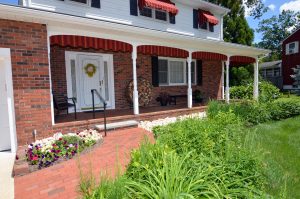
Brick walkway leading to the covered front porch of a Hamilton NJ home, representing the first step in a real estate conversation

The first step is not deciding when to list. It is identifying what you want the next decision to accomplish.

If you are beginning to think about selling your home, the first question does not need to be:

“When should we list?”

A better place to begin may be:

“What am I hoping this move will accomplish?”

Once that is clear, the available choices become easier to evaluate.

Sometimes the answer will be preparing the home for sale and moving forward.

Sometimes it will be renovating, reorganizing, refinancing, or waiting.

Sometimes the conversation will uncover an option that had not previously been considered.

All of those are acceptable outcomes.

You do not need to have every answer before speaking with a REALTOR®. You also do not need to be fully committed to selling.

An initial conversation can simply help you understand the value of your home, the realities of the current market, the financial considerations involved, and whether moving is likely to provide what you are seeking.

Sometimes the best advice I give is how to sell a home successfully.

Sometimes the best advice I give is not to sell at all.

The important part is making the decision that is right for you.


What This Means For You

If you’re starting to think about your next move, whether buying or selling, having a good understanding of what to expect in the current real estate market can help you be better prepared and put yourself in a stronger position.

I’ve been working in this market for over 13 years, with close to 500 transactions across Hamilton Township, Bordentown, Florence Township, Roebling, and surrounding areas. And one thing I’ve learned is that every town, and even different sections within a town, can feel very different depending on the home and the buyer.

My approach is simple and relationship-driven. I focus on helping you make the right decision for your situation, not just the next transaction.

If you want to talk through your situation, explore homes for sale in New Jersey, and get a better feel for what makes the most sense, I’m always here to help.


Curious What Your Current Home Might be Worth in Today’s Market?

⬇️ Click below for a local home value estimate.

Clickable image for homeowners to get a local home value estimate featuring a brick colonial home in Hamilton NJ with the text “What’s Your Home Worth?” and “Click Here” call-to-action

Real Estate Q&A • Selling • July 30, 2026

Should I Make Repairs Before Selling My Home?

One of the most common questions homeowners ask before listing their property is whether they should make repairs before putting the home on the market.

The answer is often yes, but not always in the way many homeowners expect.

Making repairs before selling is not necessarily about creating a perfect home. In most cases, it is about removing obstacles that could affect buyer interest, financing, inspections, or negotiations later in the transaction.

Some repairs are relatively inexpensive and can improve a buyer’s first impression. Others may help prevent financing concerns or inspection issues that could delay or even derail a sale.

Understanding which repairs matter most can help sellers make informed decisions before their home reaches the market.


Some Repairs Are Worth Addressing Before You List

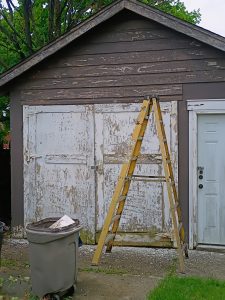
Detached garage in Hamilton NJ showing peeling paint and deferred exterior maintenance before repairs

Visible maintenance issues can affect buyer perception and, in some situations, create financing concerns during a transaction.

When buyers tour a home, they notice more than square footage and room sizes.

Peeling paint, damaged trim, broken railings, missing handrails, leaking faucets, cracked windows, and other visible maintenance issues often stand out immediately.

While some buyers may view these items as minor repairs, others may begin wondering what additional maintenance may have been deferred over the years.

Certain repairs can become even more important when financing is involved. Some loan programs have property condition requirements that may need to be addressed for the transaction to move forward.

The goal is not perfection. The goal is reducing unnecessary concerns before they become problems.


Some Repairs Can Expand Your Buyer Pool

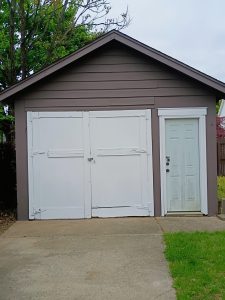
Detached garage in Hamilton NJ after exterior repairs and painting showing improved condition and appearance

Addressing maintenance items before listing can help a property appeal to a broader range of buyers and financing options.

This garage provides a good example.

The structure itself did not change. No addition was built. No major renovation took place.

However, addressing the peeling paint and maintenance concerns created a cleaner appearance while also helping eliminate potential issues that could arise during the transaction process.

In some situations, repairs like these may allow a property to appeal to a larger group of buyers, including those using financing programs with property condition requirements.

Relatively small improvements can sometimes have a meaningful impact on how smoothly a transaction moves forward.


Not Every Project Needs To Be Completed

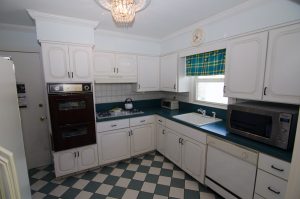
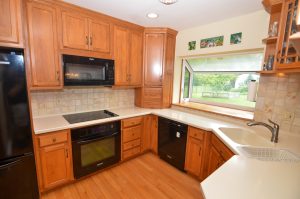
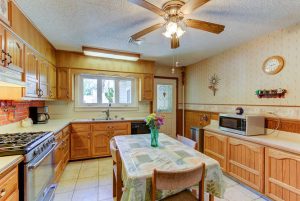
Kitchen with original cabinets, laminate countertops, and functional layout in a well-maintained Hamilton NJ home

Not every kitchen needs a complete renovation before selling. Clean, functional, and well-maintained spaces can still appeal to buyers.

Many homeowners assume they need to remodel kitchens, renovate bathrooms, or undertake major construction projects before selling.

In reality, that is often unnecessary.

A perfectly functional kitchen does not automatically need to be replaced because newer styles exist.

The same is true for many bathrooms, flooring materials, or other cosmetic features.

Every home is different, and buyers have different expectations depending on price range, location, condition, and market conditions.

Instead of automatically spending thousands of dollars on upgrades, it is often more helpful to evaluate which projects are likely to provide meaningful value and which ones may not.


Every Home Requires A Different Strategy

Updated kitchen with custom cabinetry, solid surface countertops, and large window overlooking backyard

Some homes benefit from updates before selling, while others are market-ready as they are. The right strategy depends on the property, condition, location, and buyer expectations.

There is no universal repair checklist that applies to every seller.

A home built in the 1950s may have different considerations than a newer townhouse or recently constructed home.

Market conditions also matter. In some situations, buyers may be more willing to overlook cosmetic issues. In others, presentation and condition may play a larger role in buyer decisions.

This is one reason many sellers benefit from discussing their plans with a real estate professional before starting projects. Sometimes a repair is worth doing. Sometimes the better decision is to leave it alone.

The right approach depends on the home, the market, and the goals of the seller.


Making repairs before selling does not mean spending money on every possible improvement.

Instead, it means identifying the items most likely to affect buyer perception, financing, inspections, or negotiations.

Some repairs can help a property show better.

Some can help prevent complications during the transaction.

Others may not be necessary at all.

Even when sellers address repairs before listing, a buyer’s inspection may still uncover other items or lead to additional repair requests. I took a closer look at what happens at that stage in Do Sellers Have To Make Repairs After A Home Inspection?

Understanding the difference can help sellers make smarter decisions and position their home for a smoother sale.


What This Means For You

If you’re starting to think about your next move, whether buying or selling, having a good understanding of what to expect in the current real estate market can help you be better prepared and put yourself in a stronger position.

I’ve been working in this market for over 13 years, with close to 500 transactions across Hamilton Township, Bordentown, Florence Township, Roebling, and surrounding areas. And one thing I’ve learned is that every town, and even different sections within a town, can feel very different depending on the home and the buyer.

My approach is simple and relationship-driven. I focus on helping you make the right decision for your situation, not just the next transaction.

If you want to talk through your situation, explore homes for sale in New Jersey, and get a better feel for what makes the most sense, I’m always here to help.


Curious What Your Current Home Might be Worth in Today’s Market?

⬇️ Click below for a local home value estimate.

Clickable image for homeowners to get a local home value estimate featuring a brick colonial home in Hamilton NJ with the text “What’s Your Home Worth?” and “Click Here” call-to-action

Buying • July 22, 2026

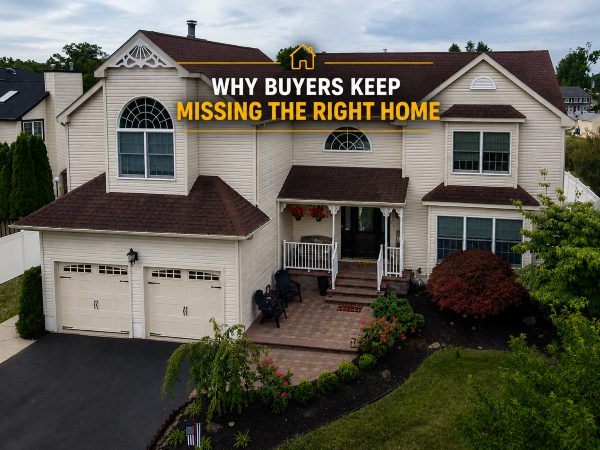
Why Some Buyers Keep Missing The Right Home (And Don’t Realize It Until Later)

One of the interesting things about working with buyers is that many of them don’t realize they’ve found the right home until after it’s gone.

That may sound surprising.

Most buyers assume that when they find the right property, they’ll immediately know it.

Sometimes that happens.

More often, however, buyers spend weeks or months looking at homes, comparing options, weighing pros and cons, and trying to determine whether something better might be around the corner.

Then a property goes under contract.

And suddenly the home they weren’t quite sure about becomes the one they can’t stop thinking about.

Over the years, I’ve noticed that many buyers who miss the right home don’t lose it because of price.

They lose it because they don’t fully recognize what they have in front of them until later.


Buyers Often Start With An Ideal Version Of Home

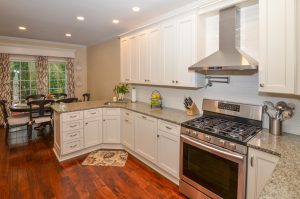
Open concept kitchen and dining area with hardwood floors, center island, and abundant natural light

Many buyers begin their search with a picture of the perfect kitchen already in mind.

Most buyers begin their search with a list of features they hope to find.

Some of those items are necessities.

Others are preferences.

The challenge is that it’s easy to create a picture of the perfect home that doesn’t always align with what’s actually available in the market.

As buyers tour properties, they often discover that no home checks every box.

The buyers who eventually succeed are usually the ones who learn the difference between what they need and what would simply be nice to have.


The Right Home Rarely Feels Perfect

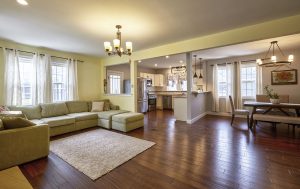
Open concept living room connected to the kitchen and dining area in a well-maintained New Jersey home

The right home doesn’t have to be perfect. It simply has to fit the way you want to live.

One pattern I’ve noticed is that buyers sometimes assume the right home will feel perfect.

Often, what they respond to most isn’t a single room or feature. It’s how the home feels as a whole.

In reality, most homes involve compromise.

The kitchen may not be exactly what they envisioned.

The yard may be slightly smaller than they hoped.

The bathroom may need updating.

Yet many of the buyers who are happiest after closing purchased homes that weren’t perfect.

They purchased homes that fit their lifestyle, budget, and priorities.

There is a difference.


Sometimes Buyers Keep Comparing Every Home To One House

Historic front porch with a colorful entry door and landscaped garden at a Bordentown City NJ home

Sometimes it’s a home’s unique character that stays with buyers long after the showing ends.

Every so often, buyers tour a home that sticks with them.

They may not make an offer.

They may decide to keep looking.

But from that point forward, every home gets compared to that property.

Without realizing it, they’ve already identified the features and feeling that matter most to them.

The challenge is that by the time they recognize it, that home may no longer be available.


Waiting For More Options Can Create New Frustrations

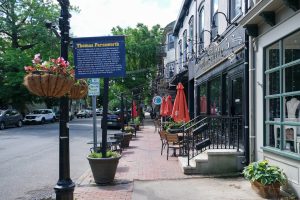
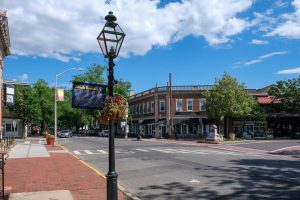
Historic downtown Bordentown City NJ featuring restaurants, outdoor seating, and the Thomas Farnsworth historical marker

The neighborhoods buyers remember often offer more than attractive homes. They create places people enjoy returning to every day.

Many buyers assume that if they wait another week or two, more inventory will appear.

Sometimes it does.

Sometimes it doesn’t.

What often happens instead is that buyers spend additional time looking at homes that don’t compare as favorably to the property they already passed on.

Sometimes they realize it wasn’t just the house they liked. It was the neighborhood, the setting, or how they imagined living there.

The longer the search continues, the more obvious it becomes what made the earlier home appealing in the first place.


The Best Homes Often Create An Emotional Response

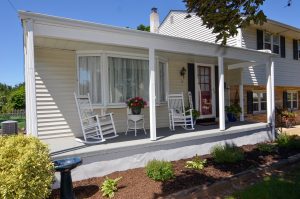
Covered front porch with rocking chairs and seating area at a Hamilton NJ home

Whether it’s a morning cup of coffee or an evening spent outside, comfortable outdoor spaces often become some of the most enjoyed parts of a home.

While buyers often focus on square footage, bedrooms, and updates, many home buying decisions are emotional.

Certain homes simply feel comfortable from the moment buyers arrive.

Buyers imagine themselves living there.

They picture family gatherings, holidays, quiet mornings, or evenings with friends.

That emotional connection is often difficult to quantify, but it plays a significant role in how people make decisions.

Interestingly, it’s often that feeling buyers remember most after a home is gone.


What Successful Buyers Tend To Understand

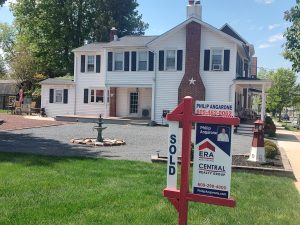
SOLD real estate sign in front of a home in Bordentown City NJ

Every buyer connects with something different, but the homes that sell often share one thing in common. They help people picture themselves living there.

The buyers who tend to have the most success are not necessarily the ones who find the perfect home.

They’re the ones who recognize when a home meets the priorities that matter most to them.

They understand that every property involves trade-offs.

They focus on priorities instead of perfection.

And when the right opportunity appears, they’re prepared to make a decision.

That doesn’t eliminate risk.

But it often prevents regret.


Buying A Home In Today’s Market

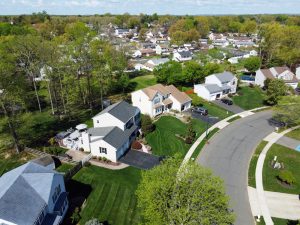
Aerial view of an established Hamilton NJ residential neighborhood with tree lined streets and single family homes

Buying a home involves more than choosing a house. The surrounding neighborhood, nearby amenities, and overall community are all important parts of the decision.

Every buyer’s situation is different.

The homes they consider, the neighborhoods they explore, and the priorities they bring to their search are different as well.

But one thing remains consistent.

The goal isn’t to find a perfect house.

The goal is to find the right house for your needs, lifestyle, and long-term plans.

Understanding that distinction can make the home search process much less frustrating.


What This Means For You

If you’re starting to think about your next move, whether buying or selling, having a good understanding of what to expect in the current real estate market can help you be better prepared and put yourself in a stronger position.

I’ve been working in this market for over 13 years, with close to 500 transactions across Hamilton Township, Bordentown, Florence Township, Roebling, and surrounding areas. And one thing I’ve learned is that every town, and even different sections within a town, can feel very different depending on the home and the buyer.

My approach is simple and relationship-driven. I focus on helping you make the right decision for your situation, not just the next transaction.

If you want to talk through your situation, explore homes for sale in New Jersey, and get a better feel for what makes the most sense, I’m always here to help.


Explore More Local Real Estate Options

Whether you’re thinking about buying, selling, or simply keeping an eye on the market, you can explore homes for sale and home values throughout Hamilton Township, Bordentown, Florence, Roebling, and surrounding areas below.

⬇️ Click any image below to explore homes for sale in that area.

Clickable image linking to homes for sale in Hamilton Township NJ featuring an aerial view of a residential neighborhood with single-family homes and tree-lined streets Clickable image linking to homes for sale in Bordentown NJ featuring a drone view of a residential neighborhood with suburban homes and mature trees Clickable image linking to homes for sale in Roebling NJ featuring an aerial view of historic row homes, neighborhood streets, and the Delaware River Clickable image linking to homes for sale in Florence Township NJ featuring a drone view of a suburban residential neighborhood with single-family homes and backyard spaces

Community • July 14, 2026

Why Bordentown City NJ Continues To Attract Buyers Looking For Something Different

Some communities are easy to describe.

Others are easier to experience.

Bordentown City falls into the second category.

At first glance, it may be the walkable downtown, historic architecture, or locally owned businesses that capture your attention. Spend a little more time there, however, and it becomes clear that Bordentown City’s appeal comes from how all of those elements work together.

Located along the Delaware River in Burlington County, Bordentown City has developed a reputation as a community that offers something different from many nearby towns. Historic streets, unique homes, community events, local businesses, and a downtown that remains active throughout the year all contribute to a setting that feels distinct from much of the surrounding area.

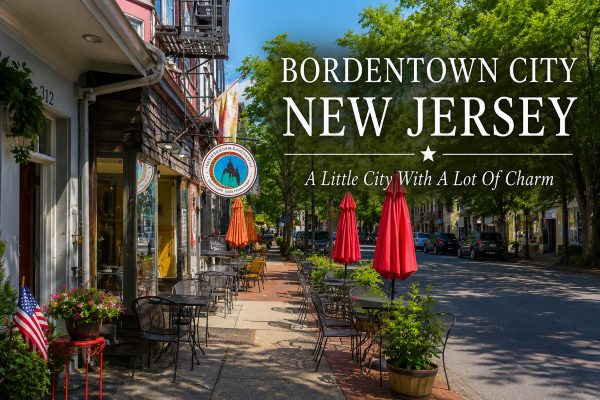
Bordentown City is often described as “A Little City With A Lot Of Charm.”

After spending time there, it is easy to understand why.

While every buyer is looking for something different, many people are drawn to Bordentown City because of the combination of character, convenience, community atmosphere, and lifestyle that can be difficult to replicate elsewhere.

That combination continues to make Bordentown City one of the more unique communities in the region.


A Walkable Downtown With Small-Town Character

Sidewalk lined with restaurants, shops, benches, and mature trees along Farnsworth Avenue in downtown Bordentown City NJ

Walkable streets lined with restaurants, shops, and local businesses help create Bordentown City’s distinctive downtown atmosphere

One of the first things many visitors notice about Bordentown City is how easy it is to walk from place to place.

The downtown district offers a mix of restaurants, coffee shops, boutiques, professional offices, and locally owned businesses that help keep the area active throughout the year. Rather than driving from one destination to another, residents often find themselves walking to dinner, meeting friends for coffee, or attending one of the community events held throughout the year.

Downtown Bordentown City feels large enough to remain active and interesting while still feeling personal. Residents often recognize familiar faces, support local businesses, and develop connections that can be harder to find in larger communities.

That balance contributes to the small-town character that many people find appealing.


Local Businesses Add To The Experience

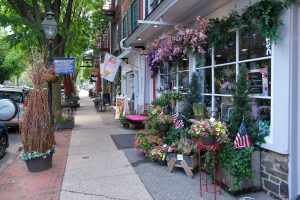
Colorful flower shop storefront along Farnsworth Avenue in downtown Bordentown City NJ

Independent businesses along Farnsworth Avenue contribute to the distinctive character and local identity that help define Bordentown City.

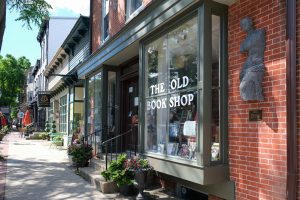
Independent bookstore located in downtown Bordentown City NJ

Locally owned businesses contribute to the character and personality of downtown Bordentown City.

One of the reasons Bordentown City feels different from many communities is the strength of its local business district.

Independent shops, restaurants, specialty retailers, and service businesses help create an atmosphere that encourages people to spend time downtown.

Whether someone is stopping by a local bookstore, enjoying a meal outdoors, browsing a boutique, or attending a seasonal event, those experiences help create the sense of community that many residents value.

The local business community also helps give Bordentown City its own identity. Visitors may arrive with a specific destination in mind but quickly discover additional shops, restaurants, and businesses throughout the downtown area. That variety helps create a downtown experience that feels active, welcoming, and distinctly local.


Community Events Help Bring People Together

Residents shopping and visiting vendor tents at the Bordentown Farmers Market in Bordentown City NJ

The Bordentown Farmers Market brings residents, visitors, and local vendors together while helping strengthen the community connections that contribute to the city’s appeal.

Visitors attending the annual Street of Dreams classic car show in downtown Bordentown City NJ

Community events such as the Street of Dreams car show help bring residents and visitors together while supporting local businesses throughout downtown Bordentown City.

One of the strengths of Bordentown City is the variety of community events that help bring residents together throughout the year.

Events such as the Bordentown Farmers Market, Street of Dreams Car Show, seasonal celebrations, downtown activities, and community festivals help bring people together while supporting local businesses.

These events create opportunities for neighbors to connect, visitors to explore the community, and residents to remain engaged with the place they call home.

Those experiences often become part of what people remember most about living in Bordentown City and contribute to the strong sense of community that many residents appreciate.


History Is Still Part Of Everyday Life

Historic marker recognizing Joseph Bonaparte's connection to Bordentown City New Jersey

Bordentown City’s history remains visible throughout the community and continues to contribute to its identity.

History plays an important role in Bordentown City, but it rarely feels like a history lesson.

Instead, it feels woven into the community itself.

Historic homes, preserved architecture, and local landmarks serve as reminders of the people and events that helped shape the city over time. Throughout the city, architectural details and historic buildings help create a visible connection between Bordentown’s past and present.

The result is a community that feels authentic rather than manufactured.

For many residents, that sense of place is one of the things that makes Bordentown City memorable.


Homes With Character And Personality

Vintage clawfoot tub inside a historic Bordentown City home

Many homes throughout Bordentown City feature architectural details and character that are difficult to replicate in newer construction.

The housing stock in Bordentown City is just as distinctive as the downtown area.

Many homes feature architectural details, craftsmanship, and layouts that reflect the city’s history and evolution over time. Original woodwork, decorative trim, exposed brick, front porches, and unique interior spaces are common features that buyers often find appealing.

From historic rowhomes and twins to detached properties with their own unique features, the housing options throughout Bordentown City offer a level of variety that many buyers find appealing.

While newer homes certainly have their advantages, many buyers are attracted to properties that offer a sense of character and individuality.


The Delaware River Adds To The Setting

Public boat launch and floating dock providing access to the Delaware River in Bordentown City NJ

The Delaware River remains an important part of Bordentown City’s identity, offering public access for boating, fishing, kayaking, and other outdoor recreation.

The Delaware River has influenced Bordentown City for generations and continues to be one of the features that helps distinguish the community.

Residents and visitors can enjoy river views, public access areas, and recreational activities such as boating, kayaking, fishing, and other outdoor pursuits.

The river also creates a natural backdrop that helps shape the city’s identity. Whether viewed from public access areas or along portions of the waterfront, the Delaware River adds another layer to the community’s identity that many residents appreciate.

While not every resident uses the river regularly, its presence contributes to the overall character of the community and helps create a setting that feels different from many inland neighborhoods.


Transportation And Convenience

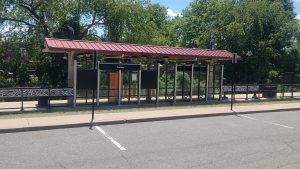
Bordentown River Line station sign providing public transit access in Bordentown City NJ

The River Line helps connect Bordentown City residents to surrounding communities throughout the region.

River Line light rail train arriving at the Bordentown City station platform

Public transportation access remains one of Bordentown City’s practical advantages for commuters and residents.

In addition to its character and walkability, Bordentown City offers convenient access to transportation and major roadways.

The River Line provides connections throughout the region, while Route 130, Route 206, Interstate 295, and the New Jersey Turnpike remain easily accessible.

That accessibility is one of the practical advantages of living in Bordentown City. Residents can enjoy the walkability, character, and community atmosphere that make the city distinctive while remaining connected to employment centers and surrounding communities throughout the region.

For many residents, that combination of convenience and small-town character is part of what makes Bordentown City appealing.


Why Bordentown City Feels Different

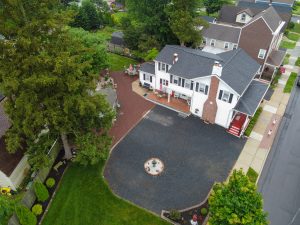
Aerial view of homes and neighborhoods throughout Bordentown City NJ

Character, walkability, community, and location all contribute to Bordentown City’s appeal.

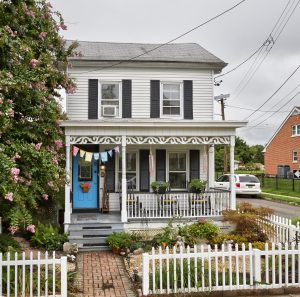
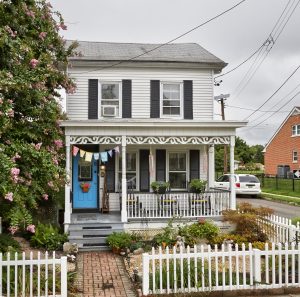
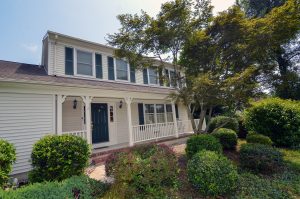
Historic Bordentown City NJ home with covered front porch, blue entry door, picket fence, and landscaped front garden

Distinctive homes with character, front porches, and architectural details help give Bordentown City its unique sense of place.

Every community has strengths.

What makes Bordentown City stand out is not any one feature.

It is the combination of those features.

Historic character.

Walkable streets.

Locally owned businesses.

Community events.

Unique homes.

River access.

Transportation connections.

Individually, none of those features are unusual.

Together, they create a community that feels distinct from many nearby towns.

For buyers looking for a place with character, community, and a stronger sense of connection, Bordentown City often offers something that is increasingly difficult to find.


Understanding Bordentown City

Sold real estate sign in front of a Bordentown City home

Understanding what attracts buyers to Bordentown City can help both buyers and sellers make more informed decisions.

Whether you’re considering buying your first home, moving within the community, or preparing to sell, understanding what makes Bordentown City unique can be valuable.

The factors that attract buyers to the area often extend beyond the home itself. Community character, walkability, local businesses, transportation access, and lifestyle all play a role in how buyers evaluate the market.


What This Means For You

If you’re starting to think about your next move, whether buying or selling, having a good understanding of what to expect in the current real estate market can help you be better prepared and put yourself in a stronger position.

I’ve been working in this market for over 13 years, with close to 500 transactions across Hamilton Township, Bordentown, Florence Township, Roebling, and surrounding areas. And one thing I’ve learned is that every town, and even different sections within a town, can feel very different depending on the home and the buyer.

My approach is simple and relationship-driven. I focus on helping you make the right decision for your situation, not just the next transaction.

If you want to talk through your situation, explore homes for sale in New Jersey, and get a better feel for what makes the most sense, I’m always here to help.


Explore More Local Real Estate Options

Whether you’re thinking about buying, selling, or simply keeping an eye on the market, you can explore homes for sale and home values throughout Hamilton Township, Bordentown, Florence, Roebling, and surrounding areas below.

⬇️ Click any image below to explore homes for sale in that area.

Clickable image linking to homes for sale in Hamilton Township NJ featuring an aerial view of a residential neighborhood with single-family homes and tree-lined streets Clickable image linking to homes for sale in Bordentown NJ featuring a drone view of a residential neighborhood with suburban homes and mature trees Clickable image linking to homes for sale in Roebling NJ featuring an aerial view of historic row homes, neighborhood streets, and the Delaware River Clickable image linking to homes for sale in Florence Township NJ featuring a drone view of a suburban residential neighborhood with single-family homes and backyard spaces

Buying • Selling • July 8, 2026

What Buyers And Sellers Should Know About Solar Panels Before Buying Or Selling A Home

One thing I’ve been hearing more often from homeowners lately has nothing to do with kitchens, bathrooms, or mortgage rates.

It’s electric bills.

Rising utility costs have become a bigger conversation across New Jersey, especially as summer approaches and air conditioning usage increases. Many homeowners are looking for ways to create more predictability in their monthly expenses, and solar panels are often part of that discussion.

At the same time, more buyers are encountering homes with solar systems already installed.

While solar can provide benefits, it also introduces questions that buyers and sellers should understand before a transaction begins. Whether panels are owned, leased, or tied to another agreement, the details matter.

Like many things in real estate, there is no one size fits all answer.


Why Solar Is Getting More Attention

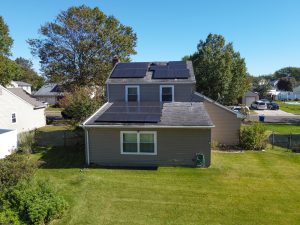
Rear exterior view of Westampton NJ home with rooftop solar panel system

More homeowners are exploring solar as utility costs become a larger household expense.

Over the past few years, solar has become a more common sight throughout New Jersey neighborhoods.

Part of that growth has been driven by technology improvements and incentives. More recently, however, many homeowners simply want greater predictability when it comes to their monthly expenses.

Higher utility costs, electric vehicle ownership, and growing awareness of energy consumption have all contributed to increased interest in solar.

As a result, buyers are seeing more homes equipped with solar systems, and sellers are increasingly being asked questions about how those systems work and transfer during a sale.


Solar Is Not The Same On Every Property

Solar systems are highly dependent on the characteristics of the individual property.

Factors that can influence solar performance include:

  • Roof orientation
  • Roof age and condition
  • Available sunlight
  • Tree coverage
  • Roof design and layout
  • Local utility programs

A system that works extremely well on one property may not perform the same way on another.

Roof age can also be an important consideration. If a roof replacement becomes necessary in the future, removing and reinstalling solar panels may create additional costs that homeowners should understand ahead of time.

That is one reason buyers should avoid making assumptions based solely on the presence of solar panels. Understanding the specifics of the system and property is often more important than simply knowing that solar exists.


Owned Solar Systems

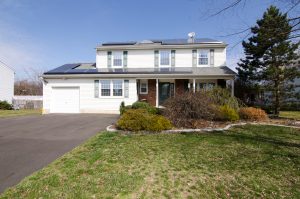
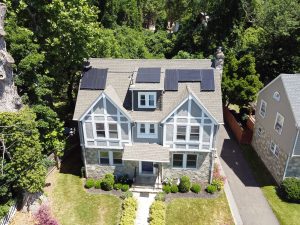
Hamilton Township NJ home with rooftop solar panel installation

Owned solar systems often create the simplest transfer process during a home sale.

Generally speaking, owned solar systems are often the easiest type of solar arrangement to navigate during a real estate transaction.

When the homeowner owns the system outright, the panels typically transfer with the property just like other permanent improvements.

Buyers may benefit from lower utility costs while sellers can present documentation showing system ownership, production history, warranties, and maintenance records.

That does not automatically mean the system adds a specific dollar amount to a home’s value, but it often simplifies the conversation compared to leased systems or other financing arrangements.


Leased Solar Systems

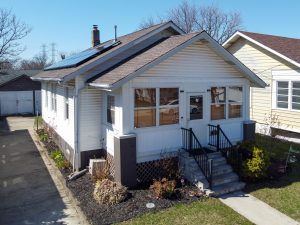
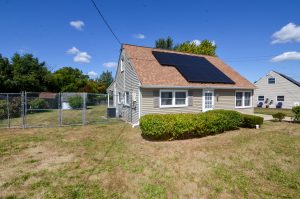
Hamilton NJ ranch home with rooftop solar panel system installed on a residential property

Some solar systems are owned outright, while others may involve lease agreements that buyers should review carefully during a transaction.

Leased solar systems are common throughout New Jersey and require additional review during a transaction.

In many cases, the buyer must qualify with the solar company and agree to assume the existing lease.

Questions often include:

  • Remaining lease term
  • Monthly payment obligations
  • Transfer requirements
  • Buyout options
  • Maintenance responsibilities

None of these issues are necessarily deal breakers, but buyers should understand the obligations they may be assuming before moving forward.

In some transactions, the solar company approval process can take additional time, which is why it’s often helpful to identify transfer requirements early. Understanding those requirements before a home goes under contract can help reduce surprises later in the transaction process.

Sellers can help avoid delays by gathering this information early in the process.

One thing I have found is that many buyers are not necessarily concerned about the presence of a lease itself. What often creates concern is uncertainty. Buyers typically want to understand exactly what they are assuming, what the monthly obligations look like, and whether there are future options available.

Having clear documentation available from the beginning can help answer those questions early and create a smoother transaction for everyone involved.


Power Purchase Agreements (PPAs)

A Power Purchase Agreement, commonly called a PPA, is different from both ownership and leasing.

Instead of owning the panels, the homeowner purchases the electricity generated by the system under a contractual arrangement.

These agreements can vary significantly, which is why buyers should carefully review the details before closing.

Because PPAs can contain different pricing structures and transfer requirements, buyers should review the agreement carefully before moving forward.

In some situations, the buyer may need to qualify with the solar provider before assuming the agreement. Understanding those requirements early can help avoid delays during the transaction process.

Understanding how electricity is priced, whether escalation clauses exist, and how the agreement transfers can help avoid surprises later.


What About SRECS And Incentives?

Aerial view of residential rooftop solar panel installation in New Jersey

Solar incentives have changed over time, making documentation especially important for buyers and sellers.

Many homeowners have heard of SRECs, which stands for Solar Renewable Energy Certificates.

New Jersey’s solar incentive programs have evolved over time, and different systems may be associated with different incentive structures depending on when they were installed.

Because these programs have changed, buyers and sellers should review any existing documentation carefully and understand whether incentives are still active, transferable, or already exhausted.

This is another area where details matter.


What Buyers Should Look At

Before purchasing a home with solar panels, buyers may want to ask:

  • Is the system owned, leased, or part of a PPA?
  • How old is the system?
  • What warranties remain?
  • What are the average electric costs?
  • Are maintenance records available?
  • What documentation exists regarding incentives?
  • How does the system transfer after closing?

Buyers should also avoid assuming that every solar system produces the same level of savings. System size, age, panel efficiency, energy usage habits, and property characteristics can all affect overall performance. Reviewing actual utility information often provides a more complete picture than relying on estimates alone.

Requesting copies of recent utility bills can often provide a clearer picture of how the system has been performing in real-world conditions.

The goal is not to be an expert in solar technology.

The goal is simply to understand what is being purchased along with the property.


What Sellers Should Do Before Listing

Residential home in Ewing NJ featuring rooftop solar panels

Preparing solar documentation before listing can help prevent delays during a transaction.

If your home has solar panels and you’re considering selling, preparation can make a significant difference.

Before listing, consider gathering:

  • Solar ownership documentation
  • Lease agreements if applicable
  • Production information
  • Utility savings information
  • Warranty paperwork
  • Maintenance records
  • Incentive documentation

Having these materials readily available often makes it easier to answer buyer questions and keep a transaction moving forward.


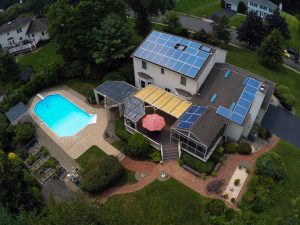
Aerial view of Trenton NJ home with solar panels, and wooded back area

Solar panels can be an asset, but understanding the details behind the system is just as important as the panels themselves.

Solar panels have become a much more common part of the housing market throughout New Jersey.

For many homeowners, the conversation is less about technology and more about predictability. As utility costs continue to be a larger household expense, solar has become one of several ways homeowners attempt to create greater consistency in their monthly expenses. For buyers, it can be an attractive feature when evaluating a property.

However, solar is rarely a simple yes or no conversation.

Ownership structure, agreements, incentives, maintenance history, and property characteristics all play a role.

Whether you’re buying a home with solar panels or preparing to sell one, understanding those details can help you make more informed decisions throughout the process.


What This Means For You

If you’re starting to think about your next move, whether buying or selling, having a good understanding of what to expect in the current real estate market can help you be better prepared and put yourself in a stronger position.

I’ve been working in this market for over 13 years, with close to 500 transactions across Hamilton Township, Bordentown, Florence Township, Roebling, and surrounding areas. And one thing I’ve learned is that every town, and even different sections within a town, can feel very different depending on the home and the buyer.

My approach is simple and relationship-driven. I focus on helping you make the right decision for your situation, not just the next transaction.

If you want to talk through your situation, explore homes for sale in New Jersey, and get a better feel for what makes the most sense, I’m always here to help.


Explore More Local Real Estate Options

Whether you’re thinking about buying, selling, or simply keeping an eye on the market, you can explore homes for sale and home values throughout Hamilton Township, Bordentown, Florence, Roebling, and surrounding areas below.

⬇️ Click any image below to explore homes for sale in that area.

Clickable image linking to homes for sale in Hamilton Township NJ featuring an aerial view of a residential neighborhood with single-family homes and tree-lined streets Clickable image linking to homes for sale in Bordentown NJ featuring a drone view of a residential neighborhood with suburban homes and mature trees Clickable image linking to homes for sale in Roebling NJ featuring an aerial view of historic row homes, neighborhood streets, and the Delaware River Clickable image linking to homes for sale in Florence Township NJ featuring a drone view of a suburban residential neighborhood with single-family homes and backyard spaces


Curious What Your Current Home Might be Worth in Today’s Market?

⬇️ Click below for a local home value estimate.

Clickable image for homeowners to get a local home value estimate featuring a brick colonial home in Hamilton NJ with the text “What’s Your Home Worth?” and “Click Here” call-to-action

Community • June 30, 2026

Celebrating 250 Years Of America Through The Places We Call Home

America will celebrate its 250th anniversary on July 4, 2026.

For many people, that milestone may bring thoughts of history, founding documents, and the events that shaped our country.

But long before most of us think about history, we think about home.

We think about the neighborhoods where we grew up, the streets we know by heart, backyard barbecues with family and friends, summer evenings spent outside, and traditions that get passed from one generation to the next.

Those moments may seem small, but they are part of a much larger story.

As America reaches its 250th year, it is a reminder that communities are built one home, one family, and one neighborhood at a time.

Living and working throughout Mercer County and Burlington County, I have the opportunity to see those connections every day. Whether it is a front porch decorated for summer, neighbors gathering for a local event, or families creating new memories in a backyard, the places we call home continue to play an important role in bringing people together.

This anniversary offers a chance to reflect not only on where our country has been, but also on the communities and traditions that continue to shape daily life today.


What Makes A Place Feel Like Home

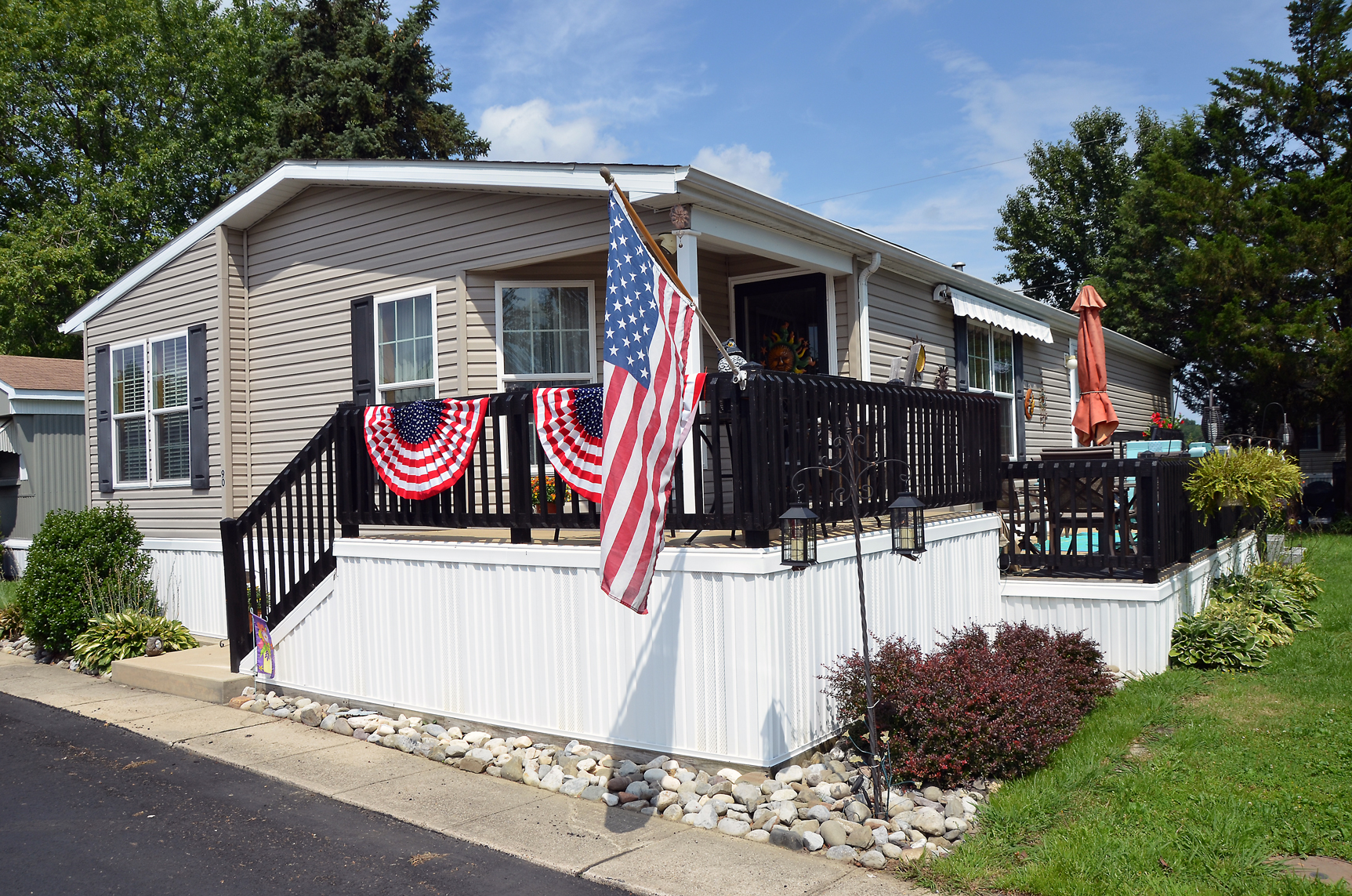
Hamilton Township NJ home displaying an American flag outside during the summer season

For many families, home is about more than a house. It is where traditions begin, memories are made, and everyday life unfolds.

When people talk about what they love most about where they live, they rarely start with square footage or property lines.

Instead, they talk about familiarity.

They talk about the neighborhood where they learned to ride a bike, the porch where family members gathered, the neighbors they have known for years, or the simple comfort of pulling into the driveway at the end of the day.

Those connections are part of what transforms a house into a home.

Across Mercer County and Burlington County, there are countless examples of neighborhoods where generations of families have built memories together. While homes and communities continue to evolve, the idea of home remains remarkably consistent. It is a place where people feel connected, comfortable, and rooted.

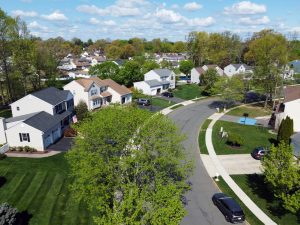
Aerial view of an established residential neighborhood in Hamilton Township New Jersey with tree-lined streets and family homes

Neighborhoods are where individual homes become communities and generations of memories begin.

As America marks 250 years since its founding, it is worth remembering that many of the values people associate with home today, including family, community, and belonging, continue to shape neighborhoods across the country.


The Spaces Where Life Happens

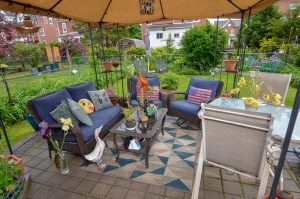
Outdoor deck seating area overlooking a backyard in Hamilton Township New Jersey

Outdoor living spaces often become gathering places for family celebrations, cookouts, and summer traditions.

One of the things that has remained consistent across generations is the importance of having places where people can come together.

Sometimes that space is a front porch.

Sometimes it is a backyard patio, a deck, a gazebo, or a kitchen table surrounded by family and friends.

The specific location may vary, but the purpose remains the same. These are the places where conversations happen, where milestones are celebrated, and where memories are created.

Many of the moments people remember most are not tied to major events. They are often the simple evenings spent with family, neighbors stopping by to say hello, or gatherings that become annual traditions over time.

Covered backyard patio seating area at a home in Roebling NJ designed for relaxing and gathering with family and friends

Simple outdoor gathering spaces often become the setting for everyday conversations, family visits, and lasting memories.

As communities across the country prepare to celebrate America’s 250th anniversary, many of those celebrations will take place in spaces just like these. Backyards, patios, porches, and neighborhood gathering spots continue to bring people together in much the same way they have for generations.


Summer Traditions

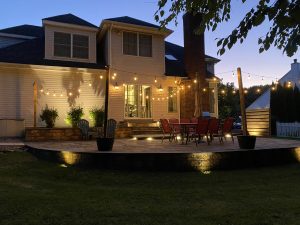
Backyard patio illuminated by string lights on a summer evening in New Jersey

Summer traditions are often built around simple moments shared with family, friends, and neighbors.

Every generation creates its own memories of summer.

For some, it is backyard barbecues that seem to last well after sunset.

For others, it is neighborhood gatherings, evenings spent outside, or annual celebrations that bring family and friends together year after year.

The details may change, but the traditions remain familiar.

A meal shared outdoors.

Children running through the backyard.

Neighbors stopping by for a conversation.

The feeling of staying outside just a little longer on a warm summer evening.

These are the moments that often become the memories people carry with them long after the season has passed.

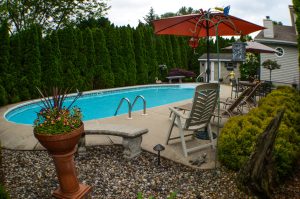
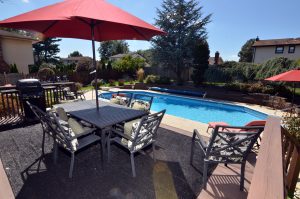
Private backyard pool and patio area surrounded by mature landscaping in Hamilton New Jersey

Many summer memories begin with simple gatherings in the backyard.

As America prepares to celebrate its 250th anniversary, many of the traditions that connect communities still happen close to home. They take place in backyards, on patios, around neighborhood tables, and in the everyday spaces where people come together.


Community & Togetherness

Families and neighbors gather on the lawn at Veterans Park in Hamilton Township NJ for a community concert celebrating America's 250th anniversary.

Community traditions, local celebrations, and shared experiences continue to bring neighbors together as America prepares to celebrate its 250th anniversary.

Many of the traditions associated with Independence Day happen close to home, but they also extend far beyond our own neighborhoods.

Across the country, people gather to celebrate milestones, honor traditions, and spend time with family and friends. While those celebrations may look different from one town to the next, they are connected by a shared sense of community and belonging.

Whether it is a neighborhood event, a local festival, a town celebration, or simply neighbors spending time together, these experiences help strengthen the connections that make communities feel like home.

American flag displayed outside a historic government building in Washington DC during America's 250th anniversary celebration

Local traditions and community connections are part of a much larger American story.

As America prepares to celebrate its 250th anniversary, it serves as a reminder that the story of our country is not only found in historic documents or national landmarks. It is also found in the neighborhoods, communities, and everyday places where people continue to build connections and create memories.

The same values that bring people together in small towns, local parks, downtown districts, and neighborhood gatherings are part of the larger American story being celebrated across the country in 2026.


The Small Details We Remember

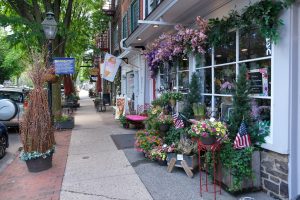
Flower displays, American flags, and storefront details along Farnsworth Avenue in Bordentown City NJ

Often it is the small details that give a community its character and help make a place memorable.

When people think about the places they have called home, it is often the small details they remember most.

The flag hanging outside a local business.

The flowers planted along a sidewalk.

The familiar storefront that has been part of the community for generations.

The porch that gets decorated every summer.

The things that make a community feel welcoming are not always the biggest landmarks or most recognizable buildings. More often, they are the everyday details that quietly become part of daily life.

These details help create a sense of identity and belonging. They contribute to the character of a neighborhood, the personality of a town, and the memories people carry with them long after they have left.

As America celebrates 250 years, it is worth appreciating the places and traditions that may seem ordinary at first glance but often become the most meaningful over time.

Those small details help tell the story of a community, one generation after another.


Community Celebrations

Families enjoying a community carnival during a summer evening celebration in New Jersey

Community carnivals continue a tradition of bringing neighbors together through shared summer memories and local celebrations.


Fans gather to watch a Trenton Thunder baseball game on a summer evening in Mercer County, New Jersey.

Summer baseball games continue to bring families, friends, and neighbors together, reflecting one of the community traditions that has long been part of the American experience.


Golden fireworks illuminate the night sky above trees during a community Independence Day celebration in New Jersey.

Fireworks remain one of the traditions that bring communities together while celebrating America’s past, present, and future.

For many people, some of their strongest memories are connected to community celebrations.

A summer concert in the park.

A parade through town.

An evening at the local ballpark.

A neighborhood gathering.

A fireworks display shared with family and friends.

These events bring people together in a way that few other experiences can. They create traditions that are passed from one generation to the next and provide opportunities for communities to celebrate not only special occasions, but also the connections that make those communities unique.

As America marks its 250th anniversary, communities across the country will gather to celebrate in their own way. While the events themselves may differ from place to place, the spirit behind them remains remarkably similar.

People coming together.

Sharing experiences.

Creating memories.

Taking pride in the places they call home.

Those moments may only last a few hours, but the memories often last much longer.


What Home Still Means

Washington Monument rising above the National Mall during America's 250th anniversary year

The story of America is made up of countless communities, neighborhoods, and places people proudly call home.

Two hundred fifty years after the signing of the Declaration of Independence, the idea of home continues to hold a special place in American life.

While communities have changed over the years, many of the things people value most remain remarkably familiar.

A place to gather with family.

Neighbors who become friends.

Traditions passed from one generation to the next.

Moments that create a sense of belonging.

Those experiences are not limited to any one town, neighborhood, or state. They are shared by millions of people across the country and help connect local communities to a much larger American story.

As the nation celebrates its 250th anniversary, it is worth remembering that America’s story is not only found in historic landmarks or significant moments in history.

It is also found in the everyday places where life unfolds.

On front porches.

Around backyard tables.

Along neighborhood streets.

At community events.

And in the homes where memories continue to be made.


As America celebrates 250 years of history, it is easy to focus on the major milestones, historic events, and national landmarks that helped shape the country.

But much of America’s story has always been written closer to home.

It is found in the neighborhoods where people put down roots, the gathering spaces where families spend time together, the traditions that bring communities together each year, and the everyday moments that create lasting memories.

Whether it is a front porch displaying an American flag, a backyard filled with family and friends on a summer evening, a local community celebration, or a quiet neighborhood street, these places continue to give meaning to the idea of home.

Two hundred fifty years later, that sense of connection, community, and belonging remains one of the things that defines both our neighborhoods and our country.

And perhaps that is one of the best reasons to celebrate.

Selling • June 26, 2026

What Happens After You Decide To Sell Your Home?

One of the most common questions homeowners ask after deciding to sell is:

“What should I do before putting my home on the market?”

That question usually leads to several others.

Should repairs be made?

Should the home be staged?

Should everything be updated before listing?

Should the home be sold as-is?

After helping hundreds of sellers over the years, I’ve learned there is rarely a one-size-fits-all answer.

The right approach depends on the property, the market, the seller’s goals, timeline, and budget.

One of the biggest misconceptions I see is that every home needs to be completely transformed before it can be listed.

In reality, many sellers benefit more from having a plan than they do from immediately starting projects.

That is why the process usually starts with a conversation and a strategy.


Start With A Plan, Not A Paintbrush

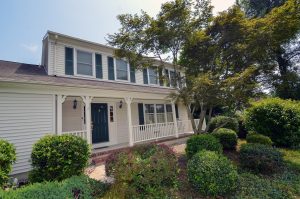
Colonial home in Hamilton NJ with covered front porch, mature landscaping, and strong curb appeal

Many sellers immediately begin making changes before understanding what buyers will actually notice or value.

Sometimes those improvements help.

Sometimes they cost money without creating meaningful value.

One of the first steps should be meeting with a REALTOR to evaluate the home, discuss goals, review local market conditions, and identify the improvements that may provide the strongest return.

Every property is different.

The goal is not perfection.

The goal is making smart decisions before spending time and money.

One mistake I see fairly often is homeowners assuming they need to complete every project on their wish list before selling. A bathroom they wanted to update for years, flooring they planned to replace, or a kitchen renovation they never quite got around to doing suddenly moves to the top of the list.

Sometimes those projects make sense.

Other times, buyers are far more focused on overall condition, cleanliness, presentation, and pricing than they are on whether every project has been completed.

Understanding what buyers are likely to notice and what they are likely to overlook can help sellers avoid spending money where it may not produce a meaningful return.


The Best Strategy Depends On The Seller

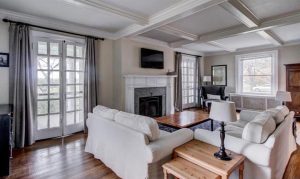
Living room in a Roebling NJ home featuring hardwood floors, coffered ceiling, fireplace, and abundant natural light

Every seller’s situation is different. The best preparation strategy is not always the same, which is why goals, timing, and priorities should help guide the decision-making process.

Not every seller is trying to accomplish the same thing.

Some homeowners want to maximize every possible dollar and are willing to invest time preparing the home before it goes on the market.

Others are focused on simplicity, convenience, or timing.

Some sellers are coordinating the purchase of another home.

Others may be handling an estate sale, an inherited property, or a rental they no longer wish to manage.

Different situations often lead to different decisions.

I have worked with sellers who spent months preparing a home because maximizing value was their primary goal.

I have also worked with sellers who needed a simpler approach because they were relocating, downsizing, handling an estate, or managing a property from a distance.

Neither approach is automatically better.

The important thing is understanding the tradeoffs.

More preparation may create additional buyer interest and potentially stronger offers.

On the other hand, selling with fewer improvements may reduce time, stress, and upfront expenses.

There are also situations where an as-is sale may make perfect sense.

The best strategy is not always the one that produces the highest sales price.

The best strategy is the one that aligns with the seller’s goals.


Focus On The Features Buyers Will Notice

Kitchen in a Bordentown Township NJ home featuring natural light, dining space, and functional layout

Buyers often focus less on individual cosmetic details and more on overall presentation, natural light, layout, and how a home feels when they walk through it.

Buyers do not evaluate homes room by room the same way sellers do.

They respond to overall presentation, cleanliness, condition, natural light, layout, and how the home feels.

Sometimes small improvements can make a surprisingly large difference.

Decluttering, cleaning, organizing, improving lighting, and creating a more open feel often have a bigger impact than major renovations.

Sellers often focus on details they see every day because they have lived with them for years.

Buyers tend to notice how bright the rooms feel, whether the home appears well maintained, how the spaces flow together, and whether they can easily picture themselves living there.

That broader first impression often carries more weight than a specific cosmetic issue sellers may worry about.

Many sellers are surprised to learn that preparation is often less about changing the home and more about helping buyers see its potential.


Preparing For Professional Photography

Living room with large windows, hardwood floors, and natural light showcasing a well-presented interior space

Buyers often form opinions online before they ever schedule a showing, making presentation and photography an important part of the selling process.

Professional photography is often one of the first things buyers encounter.

Long before a showing is scheduled, buyers are viewing homes online and deciding which properties they want to see in person.

That means preparation is not just about the showing experience.

It is also about how the home will appear in photographs.

Many sellers are surprised by how quickly buyers make decisions online. In some cases, a buyer may spend only a few seconds scrolling through photos before deciding whether a home is worth seeing in person.

Small adjustments such as reducing countertop clutter, opening window coverings, improving lighting, and organizing key spaces can help create stronger images. In some situations, aerial photography can also help showcase features that may be difficult to appreciate from the ground, such as lot size, outdoor living areas, unique settings, or a property’s relationship to the surrounding neighborhood.

Those images frequently become the first impression buyers have of a property.

In many cases, buyers decide whether a home makes their short list before they ever step through the front door.

Strong photography helps ensure the home is presented in the best possible light from the beginning.


Timing Can Influence What Buyers Notice

Backyard deck with outdoor dining area overlooking an inground pool at a Hamilton NJ home

Outdoor spaces often receive more attention during warmer months when buyers can fully appreciate features such as pools, patios, decks, and entertaining areas.

Timing can influence what buyers pay attention to when viewing a home.

During the summer months, outdoor spaces often become major selling points.

Pools, patios, decks, outdoor kitchens, gardens, and entertaining areas may receive significantly more attention when they are being actively used and properly presented.

The same principle applies throughout the year.

A well-landscaped yard may stand out in the spring, while a comfortable gathering space or fireplace may attract more attention during colder months.

I have seen buyers react very differently to the same feature depending on when they are viewing the property. A backyard that may not receive much attention in January can become a major selling point during the summer when buyers can fully appreciate how the space might be used.

This does not mean sellers should wait for a specific season to list.

Homes sell throughout the year.

It does mean that presentation should take advantage of whatever strengths are available at the time.

The goal is showcasing the home’s strengths when buyers are most likely to appreciate them.


Make The Home Easy To Show

Front exterior of a Colonial-style home with covered porch, landscaping, and welcoming front entrance

Making a home available for showings can be just as important as preparing it. Buyers need opportunities to see the property before they can decide whether it is the right fit.

Even the most attractive home can struggle if buyers have difficulty seeing it.

One challenge sellers sometimes underestimate is how much showing availability can influence activity once a home is listed.

Buyers have busy schedules too, and opportunities can be missed when access becomes overly restricted.

Many sellers understandably want as much notice as possible before a showing.

That is completely reasonable.

At the same time, there is often a balance between convenience and opportunity.

I have occasionally seen situations where buyers wanted to see a home quickly, but limited availability delayed the showing long enough for them to pursue another property instead.

If a buyer is available to see a property today but cannot gain access until several days later, that buyer may end up pursuing other homes in the meantime.

While every situation is different, creating reasonable showing flexibility can often help generate stronger activity during the critical first days on the market.

Showings, open houses, professional photography, online marketing, and proper preparation all work together to create momentum once the listing becomes active.


Front exterior of a Hamilton NJ home with covered porch, landscaped yard, and well-maintained curb appeal

Preparing a home for sale often involves balancing improvements, presentation, timing, and strategy to create the strongest overall impression for buyers.

Selling a home is not simply putting a sign in the yard.

It is a process that starts long before the listing becomes active.

The right preparation, strategy, and expectations can help sellers make informed decisions while avoiding unnecessary stress and expenses.

Every home is different.

Every seller is different.

The goal is not following a one-size-fits-all formula.

The goal is creating a plan that works best for the property and the people involved.

The homes that tend to have the smoothest sales are usually the ones where preparation, pricing, presentation, and expectations are aligned from the beginning.

When sellers understand their options and have a clear strategy in place, the entire process often becomes more predictable and far less stressful.


What This Means For You

If you’re starting to think about your next move, whether buying or selling, having a good understanding of what to expect in the current real estate market can help you be better prepared and put yourself in a stronger position.

I’ve been working in this market for over 13 years, with close to 500 transactions across Hamilton Township, Bordentown, Florence Township, Roebling, and surrounding areas. And one thing I’ve learned is that every town, and even different sections within a town, can feel very different depending on the home and the buyer.

My approach is simple and relationship-driven. I focus on helping you make the right decision for your situation, not just the next transaction.

If you want to talk through your situation, explore homes for sale in New Jersey, and get a better feel for what makes the most sense, I’m always here to help.


Curious What Your Current Home Might be Worth in Today’s Market?

⬇️ Click below for a local home value estimate.

Clickable image for homeowners to get a local home value estimate featuring a brick colonial home in Hamilton NJ with the text “What’s Your Home Worth?” and “Click Here” call-to-action


Community • June 22, 2026

Why Roebling NJ Feels Different From Anywhere Else Nearby

Some towns feel interchangeable.

Roebling doesn’t.

Even though it’s technically part of Florence Township, Roebling has a personality and identity that feels separate almost immediately when you arrive.

The layout feels different.
The homes feel different.
The streets feel different.

And a lot of that traces back to how the community was originally built.

Roebling began as a company town developed by John A. Roebling’s Sons Company, the same company known for producing the steel cables used in the Brooklyn Bridge.

More than a century later, that history is still woven throughout the community.

From the rows of brick homes to the neighborhood layout and industrial landmarks that remain today, Roebling still carries a strong sense of identity that many newer neighborhoods simply don’t have.

And for many buyers, that difference is exactly the appeal.


A Community With A Distinct Look And Feel

Historic brick semi-detached homes in Roebling NJ reflecting the town’s original architectural style and neighborhood design

The architecture throughout Roebling still reflects its roots as a planned company town.

One of the first things people notice in Roebling is how consistent the neighborhood feels.

This isn’t a community filled with large subdivisions built over different decades. Instead, many of the homes still reflect the original design and planning of the town itself.

Throughout the neighborhood, you’ll find:
• Brick row homes
• Twin and semi-detached homes
• Covered front porches
• Walkable streets with a connected feel

There’s a consistency to the neighborhood that makes it feel like an actual community instead of a collection of disconnected developments.

Some homes have been modernized over time, while others still maintain much of their original character.

Brick homes and walkable neighborhood streetscape in historic Roebling NJ

Many of the homes throughout Roebling still reflect the original design and planning of the community.

Either way, the community has a look and feel that stands apart from many nearby neighborhoods.


The History Still Feels Present Today

Roebling Museum preserving the industrial history and company-town roots of Roebling NJ

The Roebling Museum helps preserve the story and industrial history that shaped the community.

One of the things that makes Roebling unique is that the history of the town never fully disappeared.

You still see reminders of it throughout the neighborhood.

Industrial landmarks remain part of the landscape, the original housing design is still visible, and the overall layout of the community still reflects its origins.

You don’t have to visit a museum to notice it. It’s built into the streets, the architecture, and the overall feel of the neighborhood itself.

Historic steel structure and preserved industrial elements in Roebling NJ

Industrial history is still physically visible throughout Roebling today.

The Roebling Museum helps preserve that story and highlights the role the community played in American industrial history.

That local history has also been documented by local author Louis Borbi, whose work focuses on the story and development of Roebling as a company town and the impact it had on the surrounding area.

It’s part of what gives Roebling a different overall feel than many newer communities throughout Burlington County.


The Delaware River Adds To The Setting

Delaware River open space and scenic setting near homes in Roebling NJ

The Delaware River contributes to the quieter and more open atmosphere found throughout parts of Roebling.

Another thing that shapes the atmosphere in Roebling is its proximity to the Delaware River.

Even in areas without direct river views, the surrounding open space changes the overall atmosphere of the community.

Compared to more densely packed suburban developments nearby, Roebling often feels:
• More open
• More connected
• Slightly quieter
• Less rushed

There are parts of Roebling that simply feel less crowded and less hectic than many nearby suburban areas.

That combination of history, layout, and location is difficult to replicate.


Walkability, Commuting, And Access

Walkable Roebling NJ neighborhood near the River LINE commuter station

Roebling offers walkability along with convenient River LINE commuter access.

Despite the historic feel of the community, Roebling still offers convenient access to larger surrounding areas.

The River LINE station provides direct access north toward Trenton and south toward Camden, including connecting access into both New York City and Philadelphia.

For buyers who commute or simply want flexibility beyond driving everywhere, that accessibility can become a major advantage.

At the same time, the neighborhood itself still feels slower paced and connected in a way many people appreciate.


Why Roebling Feels Different To So Many People

Front porch and residential neighborhood character in historic Roebling NJ

Many buyers drawn to Roebling are looking for character and community over cookie-cutter neighborhoods.

Roebling has a very distinct feel, and that’s part of what many people appreciate about it.

Part of what people often appreciate about Roebling is:
• Character
• History
• Established neighborhoods
• A stronger sense of identity
• Something different from newer developments

There’s a level of personality here that many buyers connect with almost immediately.

Outdoor patio and backyard living space behind historic homes in Roebling NJ

Outdoor spaces throughout Roebling often feel personal, established, and connected to the surrounding neighborhood.

People who connect with Roebling usually recognize pretty quickly that it feels different.


Buying Or Selling A Home In Roebling

Historic brick twin home with updated exterior and curb appeal in Roebling NJ

Homes in Roebling often stand out because of their character, layout, and historic architectural details.

From a real estate perspective, Roebling can be very different from surrounding communities.

Homes that may appear similar from the outside can vary significantly depending on:
• Updates
• Layout
• Condition
• Location within the neighborhood
• Original architectural details

Especially in older homes where updates and original details can vary considerably from property to property.

That’s why pricing, presentation, and positioning matter so much here.

When marketed correctly, homes in Roebling often stand out specifically because they offer something buyers don’t always find elsewhere.


What This Means For You

If you’re starting to think about your next move, whether buying or selling, having a good understanding of what to expect in the current real estate market can help you be better prepared and put yourself in a stronger position.

I’ve been working in this market for over 13 years, with close to 500 transactions across Hamilton Township, Bordentown, Florence Township, Roebling, and surrounding areas. And one thing I’ve learned is that every town, and even different sections within a town, can feel very different depending on the home and the buyer.

My approach is simple and relationship-driven. I focus on helping you make the right decision for your situation, not just the next transaction.

If you want to talk through your situation, explore homes for sale in New Jersey, and get a better feel for what makes the most sense, I’m always here to help.


Explore More Local Real Estate Options

Whether you’re thinking about buying, selling, or simply keeping an eye on the market, you can explore homes for sale and home values throughout Hamilton Township, Bordentown, Florence, Roebling, and surrounding areas below.

⬇️ Click any image below to explore homes for sale in that area.
Clickable image linking to homes for sale in Hamilton Township NJ featuring an aerial view of a residential neighborhood with single-family homes and tree-lined streets Clickable image linking to homes for sale in Bordentown NJ featuring a drone view of a residential neighborhood with suburban homes and mature trees Clickable image linking to homes for sale in Roebling NJ featuring an aerial view of historic row homes, neighborhood streets, and the Delaware River Clickable image linking to homes for sale in Florence Township NJ featuring a drone view of a suburban residential neighborhood with single-family homes and backyard spaces

Housing Market • June 17, 2026

What I’ve Been Seeing Lately In The Local Real Estate Market

One thing I’ve been seeing lately is that the local real estate market is still moving.

But it does not feel the same across every home, every town, or every price range.

Some properties are still getting strong attention quickly.
Others are taking more time.
And buyers are being more thoughtful before making decisions.

That does not mean the market is bad.

It means the market is more selective.

And when that happens, pricing, presentation, condition, layout, and local market knowledge all matter more.


HOMES ARE STILL MOVING, BUT BUYERS ARE PAYING CLOSER ATTENTION

Aerial view of a Hamilton NJ split-level home with fenced backyard and surrounding neighborhood layout

Buyers are paying attention to more than the house. The surrounding neighborhood, yard layout, and nearby conveniences all play into how a home feels.

The homes getting the strongest reactions right now usually have a few things working together.

They are priced appropriately.
They show well.
They feel functional.
And they make sense for how buyers are living today.

That does not always mean fully updated or perfect.

But it does mean buyers need to feel the home is worth the price.

That is one of the biggest differences I’ve been seeing lately.

Buyers are still interested.
They are still looking.
They are still making offers.

But they are paying closer attention to whether the home feels right for the money.


CONDITION AND PRESENTATION MATTER MORE RIGHT NOW

Updated bathroom in a Robbinsville NJ home with walk-in shower, double vanity, and modern finishes

Updated spaces can help buyers feel more comfortable because they reduce the number of projects they have to think about after moving in.

A few years ago, some buyers were willing to overlook more.

That is not always the case right now.

When monthly payments are higher, buyers tend to look more closely at what they may need to do after closing.

A bathroom that feels updated.
A kitchen that feels functional.
A layout that makes sense.
A yard that feels usable.
A home that feels cared for.

Those details matter.

Not because every buyer expects perfection, but because buyers are weighing the full picture more carefully.

If a home needs work, that can still be okay.

But the price, presentation, and expectations have to line up.


OUTDOOR SPACE IS STILL A BIG PART OF THE CONVERSATION

Backyard patio and gazebo area at a split-level home in Yardville, Hamilton NJ

Outdoor space continues to matter because buyers are thinking about how they will actually use the home, not just how it looks online.

Outdoor space is still getting attention, especially when it feels functional, easy to enjoy, and fits how people actually live day to day.

Backyards.
Patios.
Decks.
Fenced yards.
Pools.

Those things are still part of the conversation.

But again, buyers are being thoughtful.

They are asking themselves whether the space works for their lifestyle.

Is it private enough?
Is it easy to maintain?
Is it functional?
Does it add value to how they would actually live in the home?

That is where strong outdoor space can still make a home stand out.


LOCATION AND NEIGHBORHOOD FEEL ARE GETTING MORE ATTENTION

Aerial view of a Bordentown NJ home and surrounding residential neighborhood

In today’s market, buyers are not just looking at the house itself. They are also paying attention to the neighborhood, setting, and overall feel of the property.

Location has always mattered.

But lately, I’ve been seeing buyers think about location in a more practical way.

It is not just town or zip code.

It is the street.
The yard.
The surrounding homes.
The commute.
The neighborhood feel.

Two homes in the same town can feel very different depending on where they are located and how the property sits.

That is why local market knowledge matters.

A home in Hamilton Township may behave differently than a home in Bordentown.
A property in Roebling may attract a different buyer than one in another part of Florence Township.
Even within the same town, different neighborhoods can feel very different to buyers.


THE MARKET IS NOT FROZEN, BUT IT IS MORE SELECTIVE

Aerial view of a Roebling NJ neighborhood near the Delaware River

Local market movement depends heavily on the property, pricing, condition, and how buyers connect with the location.

This is not a market where nothing is happening.

Homes are still selling.

But buyers are not reacting the same way to every property.

The homes that feel properly positioned are still getting attention.
The homes that feel overpriced or need more work may take longer.
And sellers who understand that difference are usually in a better position.

That is really what this market comes down to right now.

Not panic.
Not guessing.
Not assuming every home will sell the same way.

It comes down to understanding how buyers are reacting and making sure the home is positioned correctly from the start.


LOCAL MARKET INSIGHT

Across Hamilton Township, Bordentown, Florence Township, Roebling, Mercer County, and Burlington County, the market is still active.

But activity does not always look the same.

Some price ranges are moving faster than others.
Some homes are getting strong interest right away.
Some buyers are taking more time.
And some sellers are realizing that presentation and pricing matter more than they expected.

That is why broad market headlines only tell part of the story.

What matters most is what is happening locally, in the specific town, neighborhood, price point, and property type.

That is where the real strategy comes in.


The market is still moving.

It just looks a little different than it did during the peak frenzy years.

Buyers are more thoughtful.
Sellers need to be more prepared.
And the homes that stand out are usually the ones where price, condition, presentation, and location all work together.

That is what I’ve been seeing lately in the local real estate market.


What This Means For You

If you’re starting to think about your next move, whether buying or selling, having a good understanding of what to expect in the current real estate market can help you be better prepared and put yourself in a stronger position.

I’ve been working in this market for over 13 years, with close to 500 transactions across Hamilton Township, Bordentown, Florence Township, Roebling, and surrounding areas. And one thing I’ve learned is that every town, and even different sections within a town, can feel very different depending on the home and the buyer.

My approach is simple and relationship-driven. I focus on helping you make the right decision for your situation, not just the next transaction.

If you want to talk through your situation, explore homes for sale in New Jersey, and get a better feel for what makes the most sense, I’m always here to help.