Facebook
 X
X
 Pinterest
 Copy Link
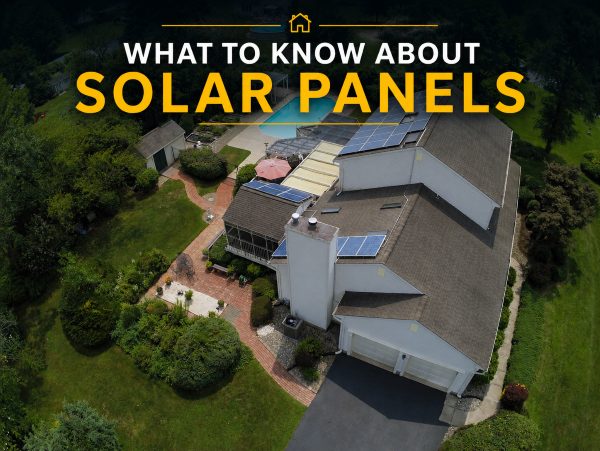
One thing I’ve been hearing more often from homeowners lately has nothing to do with kitchens, bathrooms, or mortgage rates.
It’s electric bills.
Rising utility costs have become a bigger conversation across New Jersey, especially as summer approaches and air conditioning usage increases. Many homeowners are looking for ways to create more predictability in their monthly expenses, and solar panels are often part of that discussion.
At the same time, more buyers are encountering homes with solar systems already installed.
While solar can provide benefits, it also introduces questions that buyers and sellers should understand before a transaction begins. Whether panels are owned, leased, or tied to another agreement, the details matter.
Like many things in real estate, there is no one size fits all answer.
Why Solar Is Getting More Attention
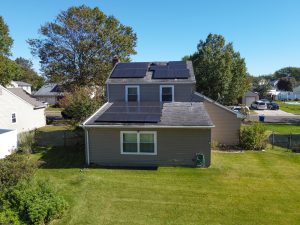
More homeowners are exploring solar as utility costs become a larger household expense.
Over the past few years, solar has become a more common sight throughout New Jersey neighborhoods.
Part of that growth has been driven by technology improvements and incentives. More recently, however, many homeowners simply want greater predictability when it comes to their monthly expenses.
Higher utility costs, electric vehicle ownership, and growing awareness of energy consumption have all contributed to increased interest in solar.
As a result, buyers are seeing more homes equipped with solar systems, and sellers are increasingly being asked questions about how those systems work and transfer during a sale.
Solar Is Not The Same On Every Property
Solar systems are highly dependent on the characteristics of the individual property.
Factors that can influence solar performance include:
- Roof orientation
- Roof age and condition
- Available sunlight
- Tree coverage
- Roof design and layout
- Local utility programs
A system that works extremely well on one property may not perform the same way on another.
Roof age can also be an important consideration. If a roof replacement becomes necessary in the future, removing and reinstalling solar panels may create additional costs that homeowners should understand ahead of time.
That is one reason buyers should avoid making assumptions based solely on the presence of solar panels. Understanding the specifics of the system and property is often more important than simply knowing that solar exists.
Owned Solar Systems
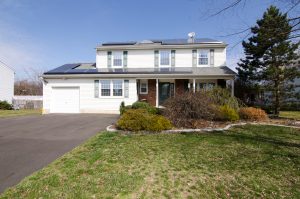
Owned solar systems often create the simplest transfer process during a home sale.
Generally speaking, owned solar systems are often the easiest type of solar arrangement to navigate during a real estate transaction.
When the homeowner owns the system outright, the panels typically transfer with the property just like other permanent improvements.
Buyers may benefit from lower utility costs while sellers can present documentation showing system ownership, production history, warranties, and maintenance records.
That does not automatically mean the system adds a specific dollar amount to a home’s value, but it often simplifies the conversation compared to leased systems or other financing arrangements.
Leased Solar Systems
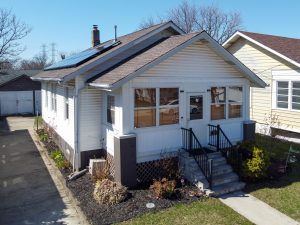
Some solar systems are owned outright, while others may involve lease agreements that buyers should review carefully during a transaction.
Leased solar systems are common throughout New Jersey and require additional review during a transaction.
In many cases, the buyer must qualify with the solar company and agree to assume the existing lease.
Questions often include:
- Remaining lease term
- Monthly payment obligations
- Transfer requirements
- Buyout options
- Maintenance responsibilities
None of these issues are necessarily deal breakers, but buyers should understand the obligations they may be assuming before moving forward.
In some transactions, the solar company approval process can take additional time, which is why it’s often helpful to identify transfer requirements early. Understanding those requirements before a home goes under contract can help reduce surprises later in the transaction process.
Sellers can help avoid delays by gathering this information early in the process.
One thing I have found is that many buyers are not necessarily concerned about the presence of a lease itself. What often creates concern is uncertainty. Buyers typically want to understand exactly what they are assuming, what the monthly obligations look like, and whether there are future options available.
Having clear documentation available from the beginning can help answer those questions early and create a smoother transaction for everyone involved.
Power Purchase Agreements (PPAs)
A Power Purchase Agreement, commonly called a PPA, is different from both ownership and leasing.
Instead of owning the panels, the homeowner purchases the electricity generated by the system under a contractual arrangement.
These agreements can vary significantly, which is why buyers should carefully review the details before closing.
Because PPAs can contain different pricing structures and transfer requirements, buyers should review the agreement carefully before moving forward.
In some situations, the buyer may need to qualify with the solar provider before assuming the agreement. Understanding those requirements early can help avoid delays during the transaction process.
Understanding how electricity is priced, whether escalation clauses exist, and how the agreement transfers can help avoid surprises later.
What About SRECS And Incentives?
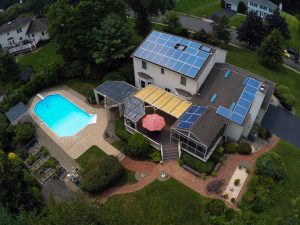
Solar incentives have changed over time, making documentation especially important for buyers and sellers.
Many homeowners have heard of SRECs, which stands for Solar Renewable Energy Certificates.
New Jersey’s solar incentive programs have evolved over time, and different systems may be associated with different incentive structures depending on when they were installed.
Because these programs have changed, buyers and sellers should review any existing documentation carefully and understand whether incentives are still active, transferable, or already exhausted.
This is another area where details matter.
What Buyers Should Look At
Before purchasing a home with solar panels, buyers may want to ask:
- Is the system owned, leased, or part of a PPA?
- How old is the system?
- What warranties remain?
- What are the average electric costs?
- Are maintenance records available?
- What documentation exists regarding incentives?
- How does the system transfer after closing?
Buyers should also avoid assuming that every solar system produces the same level of savings. System size, age, panel efficiency, energy usage habits, and property characteristics can all affect overall performance. Reviewing actual utility information often provides a more complete picture than relying on estimates alone.
Requesting copies of recent utility bills can often provide a clearer picture of how the system has been performing in real-world conditions.
The goal is not to be an expert in solar technology.
The goal is simply to understand what is being purchased along with the property.
What Sellers Should Do Before Listing
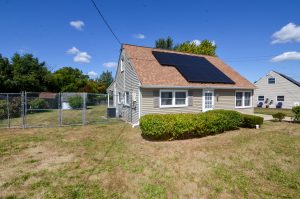
Preparing solar documentation before listing can help prevent delays during a transaction.
If your home has solar panels and you’re considering selling, preparation can make a significant difference.
Before listing, consider gathering:
- Solar ownership documentation
- Lease agreements if applicable
- Production information
- Utility savings information
- Warranty paperwork
- Maintenance records
- Incentive documentation
Having these materials readily available often makes it easier to answer buyer questions and keep a transaction moving forward.
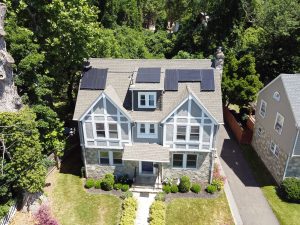
Solar panels can be an asset, but understanding the details behind the system is just as important as the panels themselves.
Solar panels have become a much more common part of the housing market throughout New Jersey.
For many homeowners, the conversation is less about technology and more about predictability. As utility costs continue to be a larger household expense, solar has become one of several ways homeowners attempt to create greater consistency in their monthly expenses. For buyers, it can be an attractive feature when evaluating a property.
However, solar is rarely a simple yes or no conversation.
Ownership structure, agreements, incentives, maintenance history, and property characteristics all play a role.
Whether you’re buying a home with solar panels or preparing to sell one, understanding those details can help you make more informed decisions throughout the process.
What This Means For You
If you’re starting to think about your next move, whether buying or selling, having a good understanding of what to expect in the current real estate market can help you be better prepared and put yourself in a stronger position.
I’ve been working in this market for over 13 years, with close to 500 transactions across Hamilton Township, Bordentown, Florence Township, Roebling, and surrounding areas. And one thing I’ve learned is that every town, and even different sections within a town, can feel very different depending on the home and the buyer.
My approach is simple and relationship-driven. I focus on helping you make the right decision for your situation, not just the next transaction.
If you want to talk through your situation, explore homes for sale in New Jersey, and get a better feel for what makes the most sense, I’m always here to help.
Explore More Local Real Estate Options
Whether you’re thinking about buying, selling, or simply keeping an eye on the market, you can explore homes for sale and home values throughout Hamilton Township, Bordentown, Florence, Roebling, and surrounding areas below.
⬇️ Click any image below to explore homes for sale in that area.



Curious What Your Current Home Might be Worth in Today’s Market?
⬇️ Click below for a local home value estimate.