Facebook
 X
 Pinterest
 Copy Link
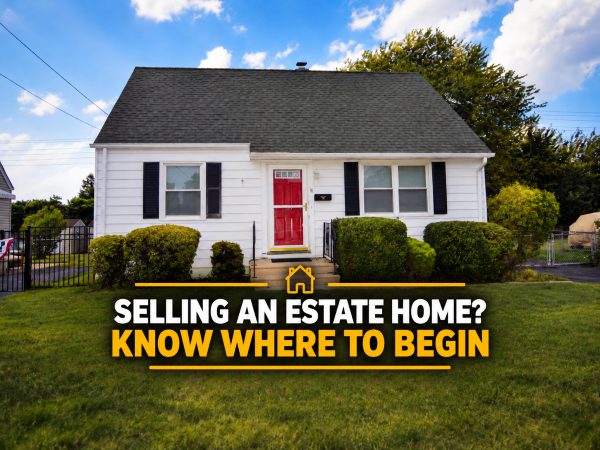
Sometimes the first conversation about selling a home that’s part of an estate happens long before anyone is ready to put the property on the market.
A family member may contact me shortly after someone has passed away. They know there’s a house that will eventually need to be sold, but they’re not sure where to begin.
Who is responsible for making decisions? What happens to everything inside the house? Should they start cleaning it out? Does the home need repairs before it can be sold?
At that point, the immediate question often isn’t what the house is worth. It’s what needs to happen next.
Selling a home as part of an estate can involve more than a traditional real estate transaction. There may be legal steps to complete, belongings to sort through, repairs to consider, and family members who need to be kept informed.
The process can feel complicated, particularly when several things are happening at once.
In my experience, the best place to begin is by understanding the property, identifying the decisions that need to be made, and figuring out the right order to handle them.
The Real Estate Conversation Can Start Before the Estate Is Ready to Sell

An early walkthrough of an estate property can help identify its condition, potential improvements, and the decisions that may need to be made before selling.
One thing I’ve learned from working with estate properties is that the real estate conversation doesn’t have to wait until every other part of the estate has been settled.
Sometimes a family contacts me before probate has been completed or even started. They may not yet have the legal authority needed to sell the property, but there are still useful conversations we can have.
An initial walkthrough can help us understand the home’s condition, discuss its potential market value, identify repairs or maintenance concerns, and begin talking about what preparing the property for sale might involve.
It also gives the family an opportunity to ask questions before making decisions about cleaning out the house or spending money on improvements.
There is, however, an important distinction between planning for a sale and having the authority to move forward with one.
In New Jersey, when someone passes away with a will, an executor generally receives the authority to act for the estate through the probate process. When there is no will, an administrator may need to be appointed. The exact requirements also depend on how the property is owned and the circumstances of the estate.
Before moving ahead with listing or selling the property, it’s important to establish who has the legal authority to make those decisions.
When that isn’t clear, or when an estate involves complications, I may recommend speaking with a probate attorney before we go any further.
That doesn’t mean the real estate planning has to stop. It simply means we can use the time to understand the property and prepare for the decisions ahead.
Before Anything Is Changed, Understand the Property
Uploaded File Name:
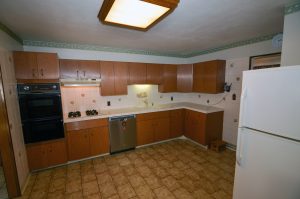
An older kitchen does not automatically need to be renovated before selling. Understanding its condition, the cost of improvements, and what buyers are looking for should come first.
One of the first things I recommend is having a conversation about the house before anyone starts making substantial changes.
Families sometimes assume that selling an estate property means immediately emptying the home, painting every room, replacing outdated flooring, or renovating a kitchen that hasn’t been updated in decades.
Those things might make sense in certain situations, but they aren’t automatically necessary.
I prefer to see the property as it currently exists.
That includes looking at the overall condition, major systems, recent improvements, deferred maintenance, cosmetic issues, and how the home compares with other properties buyers are likely to consider.
An older home may have dated finishes but be very well maintained. Another may look attractive on the surface while needing significant work behind the scenes.
Those are two very different situations, and they call for different selling strategies.
I also want to understand whether the home is occupied or vacant, what belongings remain, and whether there are any practical challenges that could affect preparing it for sale.
The goal isn’t to immediately create a list of projects.
It’s to understand what we’re working with before deciding which projects, if any, are worthwhile.
Selling the House and Handling Everything Inside It Are Two Different Jobs

Furniture, household belongings, and personal items are often part of the decisions families must make when preparing an estate property for sale.
When people hear the term estate sale, they sometimes think of selling furniture, antiques, collectibles, and other personal belongings.
But selling the real estate and handling the contents of the home are two separate parts of the process.
They often overlap, and the timing of one can affect the other.
In some situations, family members want to keep certain items or distribute belongings among beneficiaries. In others, an estate sale company may be brought in to sell furniture and household contents. Whatever remains may eventually be donated, removed by a cleanout company, or otherwise disposed of.
There isn’t one approach that works for every property.
And the house doesn’t necessarily need to be completely emptied the moment the family decides it will eventually be sold.
Sometimes it makes sense to walk through the property first and discuss how the contents might affect photographs, showings, potential repairs, or the overall presentation of the home.
A furnished house can sometimes show better than an empty one. In other cases, removing excess furniture and belongings can make rooms feel more open and help buyers see the space.
Timing matters, too. If an estate sale is planned, it may be better to coordinate that process before making certain repairs or arranging professional photography.
Part of my role on the real estate side is helping families think through those decisions and, when appropriate, connecting them with estate sale companies, cleanout services, contractors, and other resources.
The estate representative remains responsible for decisions involving the belongings, but having a plan for the house and its contents can help prevent unnecessary work and expenses.
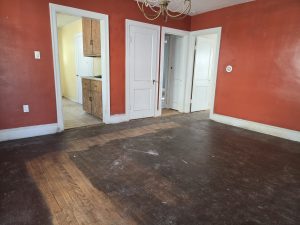
Visible wear in flooring and interior finishes can raise questions about whether repairs are worthwhile or whether selling a property in its existing condition makes more sense.
Not every home that’s part of an estate needs to be renovated before it goes on the market.
I’ve seen properties that were beautifully maintained even though the kitchens, bathrooms, and other finishes hadn’t changed much in years. I’ve also seen homes where deferred maintenance and significant repairs needed to be considered before selling.
Neither situation automatically tells us what the best selling strategy should be.
For some properties, relatively simple work such as cleaning, painting, landscaping, or addressing obvious repair issues can improve how the home presents to buyers.
For others, larger repairs may be worth considering, particularly when those issues could limit the pool of buyers or affect financing.
But there are also situations where selling the home in its existing condition makes more sense.
That decision should consider the cost of the work, the time involved, the property’s likely market value before and after improvements, and how buyers are responding to similar homes.
With an estate property, there’s another practical consideration.
Family members may already be dealing with legal matters, financial responsibilities, and the process of sorting through years of belongings. Coordinating a major renovation may not be realistic, even if certain improvements could potentially increase the selling price.
Spending $30,000 on renovations doesn’t automatically mean the property will sell for $30,000 more. Even when improvements add value, the additional return needs to justify the time, expense, and effort involved.
The goal is to make decisions that benefit the estate, not simply to update the house because it hasn’t been updated in years.
Sometimes preparing the property more thoroughly is the right choice. Other times, pricing it appropriately and selling it as is may be the better approach.
Pricing an Estate Property Is Still About the Market

Pricing an estate property requires evaluating its condition, features, and location in relation to other homes in the local real estate market.
One of the most important parts of selling an estate property is establishing a realistic asking price.
The fact that a home is part of an estate doesn’t determine its market value.
Buyers are still comparing it with other available properties. They’re looking at location, condition, size, layout, updates, lot characteristics, and what similar homes have recently sold for.
An estate property that needs substantial work may appeal to a different buyer than a home that’s ready for immediate occupancy. But that doesn’t automatically mean it needs to be dramatically discounted.
Likewise, a well-maintained estate property isn’t necessarily worth more simply because the family has cared for it for many years.
The market is going to evaluate the home based on what buyers see and what other options are available to them.
There can also be an additional consideration when several family members or beneficiaries have an interest in the estate.
Different people may have different expectations about what the property is worth or how much should be done before selling.
A market analysis provides a factual starting point for those conversations. It helps everyone understand the home’s likely position in the current market and the potential differences between selling it as is and making improvements first.
Ultimately, the pricing strategy should reflect the property and the market, regardless of the circumstances surrounding the sale.
Vacant Estate Properties Still Need Attention

Even after an estate property has been emptied, regular maintenance and periodic checks remain important while the home is awaiting sale.
When a home becomes vacant, it’s easy to assume there isn’t much that needs to happen until the family is ready to sell.
Unfortunately, an empty house still requires attention.
Utilities may need to remain active. Heating and cooling systems may need to be maintained. Lawns still grow, snow needs to be removed, and small maintenance problems can become larger ones if nobody is regularly checking the property.
Something as simple as an unnoticed plumbing leak can create significant damage if a house sits unattended for an extended period.
Security, mail, landscaping, and routine property checks should all be part of the conversation.
It’s also important for the estate representative to speak with the property’s insurance carrier about any requirements or coverage considerations associated with a vacant home.
None of this necessarily means the house needs extensive work.
It means someone should have a plan for maintaining and monitoring the property while the estate moves toward a possible sale.
Keeping a vacant home in good condition can help protect its value and avoid additional problems when it’s finally time to bring it to market.
The Estate Representative Doesn’t Have to Coordinate Everything Alone
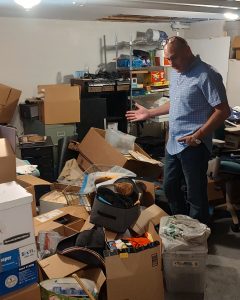
Coordinating the sale and removal of personal belongings can be an important part of preparing an estate property for the real estate market.

The same basement after the estate sale and cleanout. Coordinating these activities helped move the property closer to being ready for sale.
Selling an estate property can involve quite a few people beyond the family and the real estate agent.
Depending on the circumstances, there may be a probate attorney, accountant, title company, real estate attorney, estate sale company, cleanout service, contractors, and other professionals involved.
Each has a different role.
The attorney handles legal matters. The appropriate financial professionals address accounting and tax questions. The estate representative makes decisions within their authority and responsibilities.
My role is to help with the real estate side.
That may include evaluating the property, discussing preparation and pricing, recommending appropriate service providers, coordinating access when needed, and helping keep the steps leading toward a sale organized.
I’ve also been directly involved in coordinating the estate sale and cleanout of a property. At one home in Trenton, I helped organize the various activities needed to clear the house of its remaining contents. The before and after photographs of the basement show just how much can change during that process.
It’s a good example of how preparing an estate property for sale sometimes involves much more than simply deciding on an asking price.
Sometimes the most useful thing I can do during an initial conversation is explain that the family doesn’t need to make every decision immediately.
Other times, the first recommendation has nothing to do with preparing the house.
It may simply be to speak with a probate attorney so the family understands who has authority to act and what needs to happen before the property can be sold.
Knowing when to involve another professional is part of helping people navigate the process.
And having someone familiar with the real estate side of estate transactions can make it easier to understand which property-related decisions need attention now and which can wait.
Estate Documentation Matters Before Listing and at Closing
Selling a home as part of an estate involves some additional paperwork, but that doesn’t begin when the property goes under contract.
It starts before the home is even listed.
One of the first things I need to establish is who has the legal authority to act on behalf of the estate.
In New Jersey, the County Surrogate’s Office issues short certificates that serve as proof of an executor’s or administrator’s authority to act for the estate.
Before entering into a listing agreement, I ask for a copy of the short certificate so I can verify who has been appointed to represent the estate and who is authorized to sign on its behalf.
That is an important distinction. Being a family member or beneficiary doesn’t automatically mean someone has the authority to sign a listing agreement or make decisions about selling the property.
There can also be circumstances where the way the property is titled, multiple estate representatives, or other legal considerations require additional clarification. When those questions arise, I work with the appropriate attorney to make sure we’re moving forward properly.
Once the home is listed, an offer is accepted, and the transaction moves toward closing, many parts of the process are similar to a traditional sale.
There are still inspections, contractual obligations, title work, and the coordination needed to complete the transaction.
However, the attorneys and title company may also need to review estate documentation, confirm how ownership is held, and determine whether New Jersey inheritance tax waivers or other estate-related requirements need to be addressed before the property can be transferred.
Not every estate has the same requirements, which is another reason it’s important to identify potential issues early.
The goal is to make sure the proper authority and documentation are established before listing, while allowing the attorneys and title professionals enough time to address any additional requirements before closing.
Selling an estate property is still a real estate transaction. It simply has another layer of considerations that need to be handled at the appropriate stages of the process.
Selling a home as part of an estate can be very different from deciding to sell a property you’ve been living in for years.
Sometimes the family is prepared and the house is nearly ready to go on the market.
Other times, the process begins with a phone call, a house full of belongings, and more questions than answers.
There may be legal matters to resolve, decisions about the contents of the home, repairs to consider, and family members trying to determine the best way forward.
Not every decision needs to be made at once.
Understanding the property, establishing who has authority to act, and developing a realistic plan for the real estate can make the process more manageable.
And sometimes the most valuable part of that planning happens well before a For Sale sign ever goes in the yard.
Photo Recommendation: No additional photograph. I would let the article transition into your standard closing.
What This Means For You
If you’re starting to think about your next move, whether buying or selling, understanding what to expect in the current real estate market can help you be better prepared and put yourself in a stronger position.
I’ve been working in real estate since I was licensed in 2012, with nearly 500 real estate transactions across Hamilton Township, Bordentown, Florence Township, Roebling, and surrounding areas. And one thing I’ve learned is that every town, and even different sections within a town, can feel very different depending on the home and the buyer.
My approach is simple and relationship-driven. I focus on helping you make the right decision for your situation, not just the next transaction.
If you want to talk through your situation, explore your options, and get a better feel for what makes the most sense, I’m always here to help.
Curious What Your Current Home Might be Worth in Today’s Market?
⬇️ Click below for a local home value estimate.