Facebook
 X
 Pinterest
 Copy Link
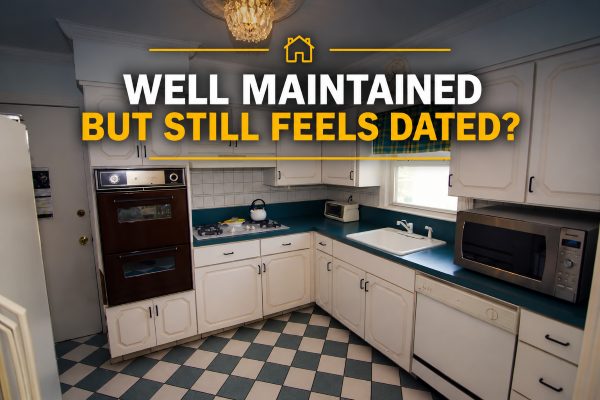
A homeowner can look around a house they have cared for over many years and see everything that has been maintained.
The roof was replaced.
The heating and cooling system has been serviced or updated.
The windows have been maintained or replaced over time.
The plumbing has been kept in good working order.
The house is clean, functional and has been looked after.
Then a buyer walks through for the first time and says:
“This feels dated.”
That can be frustrating for a seller because those two ideas can sound like they mean the same thing.
They do not.
A home can be extremely well maintained while still reflecting the style, finishes and design choices of an earlier period.
Buyers experience a home differently from the people who have lived there for years. They notice flooring, cabinetry, lighting, wall colors, countertops, window treatments and how all of those pieces work together.
Understanding that distinction can help sellers make better decisions about what, if anything, is worth changing before putting a home on the market.
Well Maintained And Updated Are Two Different Things
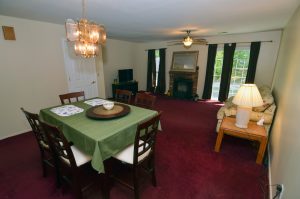
A home can be clean, functional and well maintained while flooring, lighting, furnishings and other finishes still reflect an earlier period.
One of the easiest mistakes to make when preparing a home for sale is treating “well maintained” and “updated” as though they mean the same thing.
They describe two very different things.
A well-maintained home has been cared for.
Necessary repairs have been handled. Major systems have been serviced or replaced when needed. Routine maintenance has been kept up with.
An updated home usually refers more to how the house looks and how recently its finishes, fixtures and design elements have changed.
A seller may have replaced the roof, installed a newer heating system, upgraded the electrical service and replaced several windows while leaving the kitchen cabinetry, flooring and light fixtures exactly as they were.
Those improvements still matter.
They can reduce future expenses, address important maintenance concerns and give buyers confidence that the home has been cared for.
But buyers often experience the visual side of the house before they understand all of the less visible improvements that have been made.
That is why a home can be in excellent condition and still immediately feel older to someone walking through it for the first time.
“Dated” does not automatically mean neglected.
Sometimes it simply means the house still reflects the period in which many of its finishes were selected.
Buyers Notice The Overall Look Before Individual Improvements
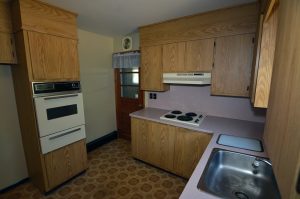
Buyers often react to the overall combination of cabinetry, countertops, flooring, appliances and other finishes before considering each feature individually.
Most buyers do not walk into a room and evaluate every finish individually.
They take in the room as a whole.
The flooring may be in good condition.
The cabinets may function perfectly.
The light fixture may work exactly as it should.
The window treatments may have been carefully maintained.
But when several older design elements appear together, they begin to create an overall impression.
Flooring, wall colors, cabinet styles, countertops, lighting fixtures, ceiling fans, window treatments, interior doors, trim and hardware can all contribute to how current or dated a room feels.
None of those things needs to be unattractive on its own.
It is often the combination that tells a buyer roughly when a home was last cosmetically updated.
That is also why sellers and buyers can react so differently to the same room.
A seller may remember when the cabinets were installed, how much they cost and how well they have held up.
A buyer simply sees cabinets that look different from the styles they are seeing in other homes.
Neither perspective is necessarily wrong.
They are just looking at the same room through two very different lenses.
Consistency Can Matter More Than One Remodeled Room
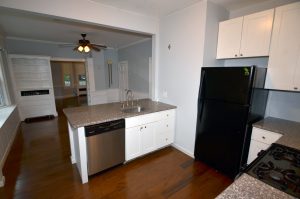
Even when one area of a home has been updated, buyers still experience the adjoining rooms, flooring, trim and finishes as part of the overall presentation.
It is also possible for individual parts of a home to be updated while the house as a whole still feels older.
A renovated kitchen is a good example.
The cabinetry may be newer.
The counters may have been replaced.
The appliances may be current.
But if the adjoining dining room still has older flooring, a different wall color, an earlier style of lighting and older trim, buyers may notice the transition just as much as the renovation itself.
Homes naturally change over time.
One room may have been updated ten years ago.
Another may have been changed twenty years ago.
A bathroom may have been renovated recently while the flooring in the hallway is original.
Those improvements can all have value, but different generations of finishes throughout a home can sometimes make its age more noticeable.
Flooring transitions are especially easy to see because buyers experience them as they move from room to room.
The same can happen with trim, doors, lighting and wall colors.
That does not mean everything in a house needs to match perfectly.
It also does not mean a seller should redo multiple rooms simply to create a more consistent look.
But it helps to understand that buyers experience the home as a whole, not as a collection of individual improvement projects.
Lighting Can Change How A Home Feels
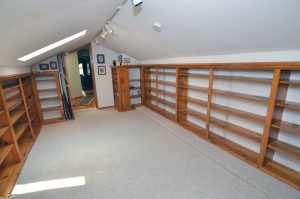
Natural light and well-placed lighting can make an older room feel brighter and easier for buyers to appreciate without changing the room itself.
Lighting can influence how buyers react to a room before they consciously realize why.
An older space with good natural light can feel very different from the same room when it is dark or visually heavy.
This room is a good example.
The built-in shelving and wood trim clearly reflect an earlier style, but the skylight, track lighting and lighter surfaces keep the room from feeling closed in.
That does not make the room newly renovated.
It simply makes it easier to see.
Windows, skylights, light fixtures, bulb temperature and even the amount of visual obstruction around a room can all affect how buyers experience the space.
Heavy curtains or darker window treatments can reduce natural light. Older fixtures may not provide enough illumination. Very warm bulbs can make some rooms feel darker, while very cool lighting can make them feel harsher.
Sometimes a seller does not need to change the room itself.
Opening blinds, removing unnecessary window treatments, using consistent bulbs and making sure darker areas are properly lit can change the way buyers experience the home without requiring a renovation.
A home does not have to be newly updated to feel brighter and more inviting.
Sometimes better light simply allows buyers to see what is already there.
Condition Still Matters
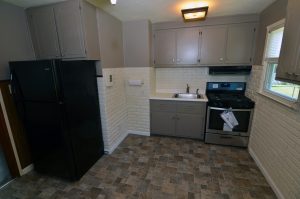
Older finishes do not automatically mean poor condition. Buyers can recognize a kitchen that has been cared for even when its cabinetry, flooring and other features reflect an earlier period.
None of this means cosmetic updates are more important than condition.
Condition still matters.
This kitchen is a good example of the difference.
The cabinetry, flooring and other finishes clearly reflect an earlier period, but the room itself appears clean, functional and cared for.
A buyer may decide that some of those finishes are not their style or that they would eventually want to change them.
That is very different from walking into a room where worn surfaces, unfinished repairs or obvious maintenance issues immediately raise concerns.
Peeling paint, damaged flooring, cracked caulk, broken hardware, stained surfaces, damaged fixtures and repairs that were started but never completed can all affect how buyers view the rest of the home.
That is where the distinction becomes especially important.
Age is one thing.
Condition is another.
An older kitchen or bathroom that is clean and fully functional can give buyers confidence that the home has been cared for, even if they already have ideas about changing it later.
A newer-looking space with loose fixtures, damaged finishes or visible deferred maintenance can create the opposite reaction.
Buyers may be willing to change colors, cabinets, flooring or fixtures over time.
What can concern them more is the feeling that routine maintenance has been postponed or that one visible problem may be pointing toward others they cannot yet see.
Not Every Dated Feature Needs To Be Changed Before Selling

Even a clearly dated room does not automatically need to be remodeled before selling. The cost, condition of the space, local competition and likely return all matter.
Once sellers recognize that buyers may see certain parts of a home as dated, the next question is usually:
Should I change them before I sell?
Sometimes the answer is yes.
Sometimes it is no.
A bathroom like this is a good example.
There is no question that the tile, fixtures, wall covering and tub enclosure reflect an earlier period. A buyer may walk in and immediately start imagining what they would change.
But that does not automatically mean the seller should remodel the bathroom before putting the home on the market.
A full bathroom renovation can become expensive very quickly. Whether that investment makes sense depends on the condition of the existing room, the home’s price range, the competition in the local market, what the rest of the house looks like and how much value the renovation is realistically likely to add.
The same thinking applies throughout a home.
A seller does not need to chase every current design trend or replace every finish that a buyer might consider dated.
In many cases, cleaning thoroughly, taking care of needed repairs, freshening paint, improving lighting and simplifying the presentation can accomplish far more for much less money.
Other times, one or two targeted improvements may make sense because they can have a noticeable effect on how buyers experience the entire home.
And sometimes the better decision is to leave an older kitchen, bathroom or other space largely as it is and make sure the home’s pricing reflects its condition and level of updating.
There is no universal list of things every seller needs to replace before listing.
The better question is which changes, if any, are actually likely to help the home compete more effectively in its particular market.
A home’s age does not automatically determine how buyers will respond to it.
Two houses built during the same decade can feel completely different depending on how they have been maintained, how their finishes have changed over time, how much natural light they receive and how consistently the rooms work together.
One may still have many original features and feel clean, cared for and inviting.
Another may have several newer elements but still feel visually disconnected.
For sellers, the goal does not have to be making an older home look brand new.
It is understanding which parts of the house influence a buyer’s perception and deciding which improvements, if any, actually make sense before going to market.
Sometimes that means making a change.
Sometimes it means improving the presentation.
And sometimes it means recognizing that a well-maintained home does not need to apologize for its age.
What This Means For You
If you’re starting to think about your next move, whether buying or selling, understanding what to expect in the current real estate market can help you be better prepared and put yourself in a stronger position.
I’ve been working in real estate since I was licensed in 2012, with nearly 500 real estate transactions across Hamilton Township, Bordentown, Florence Township, Roebling, and surrounding areas. And one thing I’ve learned is that every town, and even different sections within a town, can feel very different depending on the home and the buyer.
My approach is simple and relationship-driven. I focus on helping you make the right decision for your situation, not just the next transaction.
If you want to talk through your situation, explore your options, and get a better feel for what makes the most sense, I’m always here to help.
Curious What Your Current Home Might be Worth in Today’s Market?
⬇️ Click below for a local home value estimate.