Facebook
 X
 Pinterest
 Copy Link
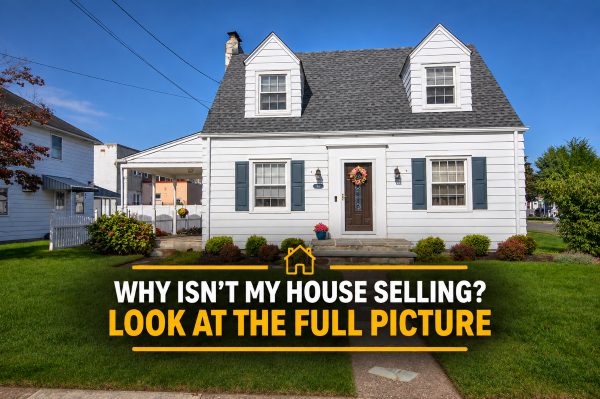
A home can look appealing and still take longer to sell than expected. When that happens, it’s natural to wonder what’s holding it back. If buyers are coming through but no one is making an offer, you may start asking whether the price is the problem, whether something about the home isn’t working for buyers, or whether the marketing needs another look.
Sometimes one of those things is part of the answer. Other times, a few smaller factors are affecting how buyers respond. The useful first step is figuring out which factors apply to your property instead of assuming there’s one obvious reason.
I like to start with what has actually happened since the home came on the market. Showing activity, buyer feedback, competing properties, and changes in the market can all offer clues. Once there’s a clearer picture, it’s easier to decide whether anything should change.
Start With The Showing Activity

The showing experience starts before buyers step inside.
Showing activity can tell you a lot, but the number of showings on its own doesn’t tell the whole story. A home receiving very few showing requests is in a different position from one getting a steady stream of buyers through the door without an offer.
When requests are limited, I’d look at how the home appears online, how it compares with other available properties, and whether its features or location may appeal to a smaller group of buyers. The timing and availability of showings can matter, too.
When buyers are coming through but not making offers, the home is attracting enough interest for people to see it in person. The next question is what they may be weighing afterward. It could be the condition, the layout, the overall value, or something else they noticed during the showing.
The useful question isn’t just, “How many showings did we get?” It’s, “What does the showing activity tell us when we look at the whole picture?”
Buyer Feedback Matters Most When A Pattern Develops
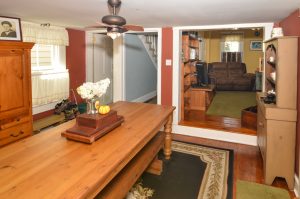
Buyers can have different reactions to a home’s traditional details and connected spaces.
Feedback from buyers can vary quite a bit. One person may appreciate original details or a traditional layout, while another may be looking for an updated kitchen, larger bedrooms, or a more open floor plan. A single comment may simply reflect that buyer’s preferences.
Feedback becomes more useful when unrelated buyers keep raising the same concern. If several people mention the condition, room sizes, parking, the yard, or the home’s value compared with other options, that repetition may point to something worth examining.
Buyers don’t always leave detailed feedback, and the reason they give for passing may not be the only reason they decided not to make an offer. Feedback is one piece of information, not an automatic instruction to make a change.
I’d look for patterns and weigh the comments against the showing activity, the property itself, and the other options buyers have nearby. That helps distinguish one buyer’s preference from a concern that may be influencing several buyers.
First Impressions Can Affect More Than Sellers Realize
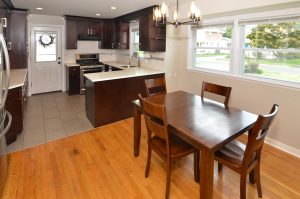
A clear view of the kitchen and adjoining dining area helps buyers understand how the spaces connect.
A buyer starts forming an impression before walking through the front door. Online photos, the exterior, the lighting, and the first few rooms all shape what buyers expect to see.
It also helps when buyers can understand how the home is laid out and how the rooms are used. A photo that shows the kitchen alongside the dining area, for example, can help buyers see how the spaces relate to each other. Clutter, furniture placement, or a room serving an unclear purpose can make that harder. The photos should show the home well while giving buyers an accurate sense of what they’ll see in person.
Two homes with similar square footage and features can leave buyers with very different impressions. Sometimes a few presentation changes help buyers see a home more clearly. For more on why similar homes can leave buyers with different impressions, see Why Two Similar Homes Can Feel Completely Different.
Condition Changes The Way Buyers Evaluate Value
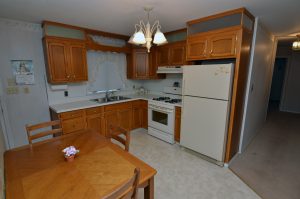
A clean, functional kitchen can still have finishes some buyers may want to update.
A home doesn’t have to be completely renovated to attract a buyer. A kitchen like this can be clean and functional while still having original cabinets and older finishes. Some buyers are comfortable updating a kitchen or bathroom over time, and others may prefer a home they can make their own.
Condition still plays a part in how buyers think about value. They may consider dated finishes, deferred maintenance, the age of major systems, or the cost of larger projects. The more work they expect to take on, the more they may weigh that against the asking price and the other homes available to them.
A home needing updates isn’t automatically difficult to sell. The question is whether buyers feel the overall value makes sense once they account for the work they expect to do. That can vary from one buyer to the next, which is why it helps to consider buyer feedback alongside how the home is performing against its competition.
The Competition Doesn’t Stay The Same

The homes available to buyers can change as new listings come on the market and others sell.
A home doesn’t compete against the same properties for its entire time on the market. New listings can give buyers more choices. Other homes may go under contract or sell, giving everyone new information about what buyers are choosing. Competing sellers may also adjust prices or update their listings.
That means a property’s position in the market can shift over several weeks. A home that stood out when it first came on the market may now be one of several similar choices. Or, if competing listings sell and no similar homes replace them, the property may have fewer direct competitors than it did before.
That shift doesn’t automatically mean the original listing strategy was wrong. Sometimes the market around the home simply changes. As the listing progresses, it helps to look again at the available choices and recent activity, since what buyers saw on the first day may look different a few weeks later.
Some Homes Naturally Have A Smaller Buyer Pool

Distinctive architecture can be a strong draw for some buyers, while appealing to a smaller group overall.
Not every home will appeal to the same number of buyers. A property with distinctive architecture, like this Roebling home’s distinctive stepped-gable facade and brick detailing, may be exactly what someone looking for character wants. Other buyers may be drawn to more familiar styles or have different priorities.
A smaller buyer pool can also come from a unique layout, limited parking, a particular lot configuration, higher property taxes or association fees, or substantial updating needs. Those features don’t make a home undesirable. They may simply mean it takes longer to find a buyer whose priorities line up with what the property offers.
That’s where patience can be a reasonable part of the plan, along with regular attention to showing activity, feedback, and competition. The goal is to understand whether the home needs more time to reach the right buyer or whether the available information points to something worth reconsidering.
Buyers Look At More Than The Asking Price
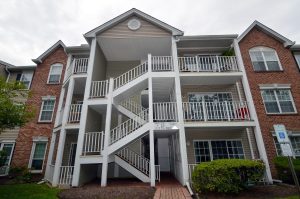
For a condo or association home, buyers consider monthly fees alongside the asking price and other ownership costs.
Two homes listed at similar prices can come with very different monthly ownership costs. With a condo or association property like the one shown, buyers may factor in association fees along with property taxes, insurance, maintenance, upcoming repairs, and renovation expenses. Financing costs also affect their overall budget.
The asking price is important, but buyers often consider the full cost of owning a home. A property that looks comparable on price may feel less affordable once buyers account for its taxes, fees, or expected work.
Those costs affect buyers differently. They’re part of the larger picture when comparing a home with other options and trying to understand the response it’s getting.
Sometimes Marketing Deserves Another Look
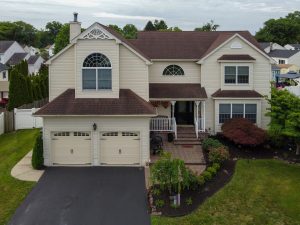
Elevated view of a Hamilton Township Colonial showing its facade, driveway, garage, and landscaped entry.

Open-concept living room, kitchen, and dining area in a Robbinsville home.
Marketing is more than whether a home appears online. It’s also how the home is presented and whether buyers can quickly understand what makes it worth seeing. A strong exterior photo can make a first impression, while an interior photo can help buyers picture the layout and how the rooms connect.
It may help to take another look at the photography, the order of the photos, and the property description. Are the home’s most important features easy to notice? Do the photos show the rooms clearly? Does the description help buyers understand the layout and the home’s advantages? Does the online presentation match what buyers experience in person?
Sometimes an active listing benefits from a fresh look at how its strongest features are being shown. The goal is to make sure the presentation gives buyers an accurate sense of the property and helps them understand what it offers.
And Yes, Sometimes Price Becomes Part Of The Conversation
Price matters, but it’s easier to consider it thoughtfully after looking at the other signals. Showing activity, buyer feedback, the home’s condition and presentation, the competition, and the costs buyers may take on all help inform the conversation.
If showing activity, buyer feedback, and the competition consistently suggest that buyers don’t see enough value at the current asking price, adjusting the price may become the most practical next step. That decision should reflect the home’s position in the current market and the response it’s receiving, rather than follow a simple rule about reducing the price after a certain number of days.
For a closer look at how to make that decision, read When Should I Lower The Price Of My House?.
Sometimes The Right Decision Is To Give The Home More Time
Not every home that takes longer to sell needs an immediate change. Showing activity may still be steady, feedback may be generally positive, or the home may appeal to a smaller group of buyers. The competing listings may support its current position, and there may not yet be a clear pattern pointing to a specific issue.
In those situations, giving the home more time can make sense. The important part is staying engaged with what’s happening. Keep reviewing showings, feedback, competing listings, and recent sales so you can tell whether the situation is changing.
There’s a difference between being patient and simply waiting without a plan. An experienced agent should be able to explain what the current activity suggests, what might change the approach, and when it makes sense to review the listing again.
A home taking longer to sell doesn’t automatically mean something went wrong. The presentation may need another look, buyers may be weighing the condition or overall cost of ownership, or the competition may have changed. Some homes also appeal to a smaller group of buyers and may need more time to reach someone whose priorities fit the property.
Price may become part of the conversation, while showing activity and feedback may support staying the course. The next step is to look at the full picture and understand what the available information is telling you before deciding whether a change makes sense.
What This Means For You
If you’re starting to think about your next move, whether buying or selling, understanding what to expect in the current real estate market can help you be better prepared and put yourself in a stronger position.
I’ve been working in real estate since I was licensed in 2012, with nearly 500 real estate transactions across Hamilton Township, Bordentown, Florence Township, Roebling, and surrounding areas. And one thing I’ve learned is that every town, and even different sections within a town, can feel very different depending on the home and the buyer.
My approach is simple and relationship-driven. I focus on helping you make the right decision for your situation, not just the next transaction.
If you want to talk through your situation, explore your options, and get a better feel for what makes the most sense, I’m always here to help.
Curious What Your Current Home Might be Worth in Today’s Market?
⬇️ Click below for a local home value estimate.