Facebook
 X
 Pinterest
 Copy Link

A Question Buyers Often Have
You find a home that seems to fit, then notice it has been on the market for 45, 60, or even 90 days. Maybe you first saw the listing weeks ago, and it is still available. It’s natural to wonder why.
Is the asking price too high? Does the home need work? Did an earlier deal fall through? Or has the right buyer simply not come along?
Days on market is a useful starting point because it shows how long a home has been offered for sale. But it doesn’t explain what happened during that time. One home may have started at a price buyers weren’t willing to pay. Another may have features or a layout that appeal to a smaller group. A previous transaction may have ended for reasons that had little to do with the property.
The listing period deserves a closer look, but it isn’t a reason by itself to dismiss a home or assume the seller will accept less. Reviewing the home’s history, condition, price, and current competition can give you a better sense of what the number means for this particular property.
What Days on Market Actually Tells You
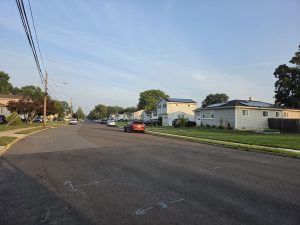
Days on market gives buyers a starting point. The listing history and local competition add context.
Days on market tells you how long a home has been listed according to the listing record or platform you’re viewing. It’s useful context, but it isn’t a rating of the home. The number alone doesn’t tell you how many buyers viewed it, why it hasn’t sold, or whether the price and condition make sense for the market.
It’s also helpful to distinguish the current listing period from the home’s broader listing history. If a home was listed before, taken off the market, or relisted, the current count may not show the full time it has been offered. Listing records and public sites can display that history differently, so reviewing the prior listing dates and status changes can provide a fuller picture.
Even the full history tells you how long the home has been available, not why it hasn’t sold. Use that information to guide questions, then consider the home’s price, condition, and competition with similar properties.
Why Some Homes Take Longer to Sell
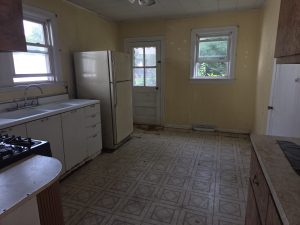
Dated finishes can affect a buyer’s impression, even when the home may suit someone willing to make updates.
There are many reasons a home might take longer to sell, and none automatically means there is a serious problem. Days on market is a prompt to look more closely, not a diagnosis.
Price is one possibility. A home may have started above what buyers considered reasonable compared with similar properties. A price adjustment can bring it closer to the market, though the listing history and recent comparable sales help show whether the current price makes sense.
Condition can also shape interest. Dated kitchens, worn flooring, or needed repairs may lead some buyers to move on, while others may see potential if the cost and scope of updates fit their budget. Photos can hint at cosmetic work, but a visit and appropriate inspections are needed to understand the property’s actual condition.
Some features appeal to a narrower group of buyers. An unusual layout, limited parking, or a smaller yard may matter a great deal to one buyer and very little to another. Location, property type, price range, and the number of similar homes competing nearby can also affect how quickly a match is found. The season may influence buyer activity as well.
A previous transaction that did not close is another reason a home may return to the market. That can happen because of financing, timing, buyer circumstances, property concerns, or the terms of the agreement. The history is worth asking about, but by itself it does not explain what happened or predict how a future transaction will go.
The Local Market Makes a Difference
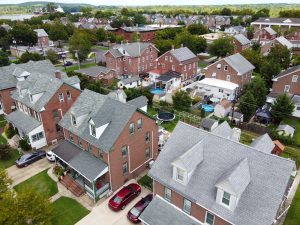
Roebling’s housing and neighborhood patterns are one example of why buyers should compare a home with properties in its own local market.
Two homes can be listed for the same number of days and face very different market conditions.
One might compete with several similar homes nearby, while another has few direct comparisons. Even homes in the same town can attract different buyers depending on their price range, property type, condition, location, and features.
That local context matters across Hamilton Township, Bordentown, Florence Township, Roebling, and surrounding communities in Mercer and Burlington counties. The homes available, the number of competing listings, and buyer activity can vary from one area to another. A statewide headline may describe a broad trend, but it cannot tell you how a particular home compares with the options buyers are seeing close by.
When I evaluate a listing with a buyer, I look at relevant nearby properties and the home’s own history. How does its price compare with similar homes? What else is available? Has the property changed since it was listed? Those details help put its time on the market in context.
The number of days is a useful starting point. The local comparison helps explain what that number may mean for the home you’re considering.
Does More Time on the Market Mean More Negotiating Room?

A thoughtful offer considers the home, recent comparable sales, and the buyer’s priorities.
A longer listing period may open the door to a conversation about price or terms. It does not automatically mean the seller is desperate or will accept a large discount.
Before deciding what to offer, look at recent comparable sales and how closely those homes match the property in location, size, condition, and features. Also consider the home’s current price, any price changes, the full listing history, and similar properties competing for buyers now. These details help show whether the asking price appears supported and where an offer might reasonably land.
The seller’s circumstances may also shape what terms matter, if that information is known. Flexibility around timing or other parts of the offer may be useful, but buyers should first understand their own budget and priorities.
An offer based only on the number of days listed may not reflect the home’s value or the seller’s position. A stronger approach is to connect your price and terms to what you’ve learned about the property and its market.
More time on the market can be part of the conversation. It is one factor to weigh alongside the evidence, not a promise of a bargain.
Questions Worth Asking Before Dismissing a Home
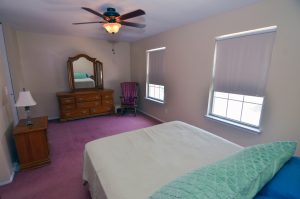
A home’s rooms, layout, and condition are among the details to weigh against your needs.
Buying a house that’s been on the market a long time can raise questions. Before deciding whether to move on, consider the following:
- Has the asking price changed?
- Does the listing have an earlier history on the market?
- Was the home previously under contract? Is there information available about why the sale did not close?
- How does the asking price compare with similar homes?
- Are there features, condition concerns, or layout choices that may be limiting buyer interest?
- Has anything changed since the home was first listed?
- Does the property still fit your needs and budget?
Some answers may be found in the listing history or by comparing the home with similar properties. Others may require a conversation with your agent or a closer look at the home.
The goal is not to investigate every possibility before you decide whether to move on. It is to ask enough to make an informed choice. The answers may show that the home is worth seeing, that you need more information, or that it is not the right fit. If you remain interested, they can also help you and your agent decide whether an offer makes sense and how to support its price and terms.
Sometimes a Home Deserves a Second Look
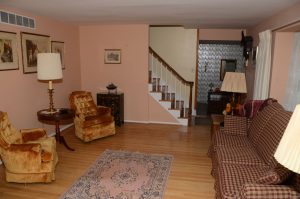
Original details and room layout may appeal to buyers even when a home’s finishes are dated.
A home that hasn’t sold yet may still be worth seeing. A dated kitchen, an unusual layout, or a longer time on the market may narrow its appeal without making it the wrong home for everyone.
Seeing the property in person can help you decide whether its features work for you. You may find that a room feels more usable than it looked online, or that a layout you initially questioned suits the way you live. You may also decide that the updates or tradeoffs are more than you want to take on.
Keep the full picture in mind. Consider the home’s condition, asking price, listing history, comparable properties, and how well it meets your needs and budget. If you find a concern, get the information you need to evaluate it before deciding.
Days on market can be a reason to look closer, but it should not make the decision for you. The right question is whether this particular home, at this price and in its current condition, makes sense for you.
A neighborhood provides context, but each home still deserves to be considered on its own.
So, should you be concerned when a home has been on the market for a while? The time alone cannot tell you whether there is a problem or an opportunity.
Review the listing history, price, condition, and comparable homes, then decide whether the property fits your needs and budget. That context is more useful than the number of days by itself.
What This Means For You
If you’re starting to think about your next move, whether buying or selling, understanding what to expect in the current real estate market can help you be better prepared and put yourself in a stronger position.
I’ve been working in real estate since I was licensed in 2012, with nearly 500 real estate transactions across Hamilton Township, Bordentown, Florence Township, Roebling, and surrounding areas. And one thing I’ve learned is that every town, and even different sections within a town, can feel very different depending on the home and the buyer.
My approach is simple and relationship-driven. I focus on helping you make the right decision for your situation, not just the next transaction.
If you want to talk through your situation, explore your options, and get a better feel for what makes the most sense, I’m always here to help.
Explore More Local Real Estate Options
Whether you’re thinking about buying, selling, or simply keeping an eye on the market, you can explore homes for sale and home values throughout Hamilton Township, Bordentown, Florence, Roebling, and surrounding areas below.
⬇️ Click any image below to explore homes for sale in that area.